The short answer
- Best balanceApril, May, late Oct
- Quietest of allNovember to March
- BusiestJuly and August
- Biggest factorcruise ship days
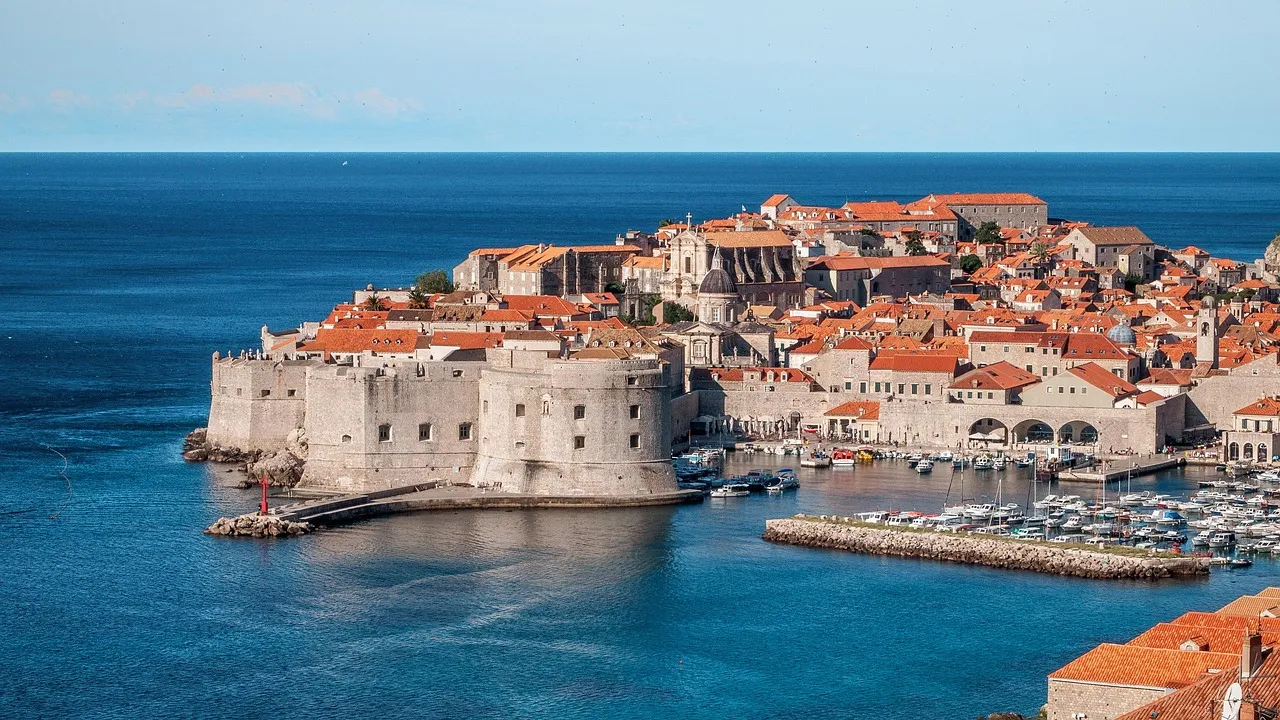
Dubrovnik's walled old town is small, so a few thousand extra people make a huge difference. Picking the right month helps, but checking which days cruise ships are in port helps even more.
Month by month
| Months | Typical high | Crowds |
|---|---|---|
| November to March | 12 to 17°C | Quietest, but many places closed |
| April | About 18°C | Quiet, spring |
| May and June | 23 to 27°C | Busy, but warm sea |
| July and August | About 30°C | Busiest and hottest |
| September | About 26°C | Busy, warm sea |
| October | About 21°C | Getting quieter |
The temperatures are from our Dubrovnik guide. For most people, the best trade-off is either side of summer: April and early May, or the second half of October.
Why cruise days matter
Dubrovnik has been one of the Mediterranean's best-known overtourism stories, and cruise ships are a big part of that. On a busy summer day, thousands of passengers come ashore at Gruž port and head for the old town at once.
The city now limits cruise traffic, generally to two ships a day at the main port, with a target of around 8,000 passengers on the busiest days, but those limits aren't absolute and some days still go over. Cruise passengers usually arrive mid-morning and leave by late afternoon.
Winter: quietest, with catches
From November to March, Dubrovnik is very quiet. You can walk the Stradun almost alone, and hotel prices fall a long way.
- Many places close: a lot of restaurants, beach bars and some hotels shut for the season.
- Fewer flights: some UK routes are summer only, so you may need to change planes.
- Rain: November and December are among the wettest months.
- Boats: island ferries and boat trips run less often.
For a calm city break in winter, it can still be lovely, especially in December, when the old town has a small Christmas market and lights.
Spring and autumn: the sweet spots
April is quiet and green, with highs around 18°C: good for walking the walls and exploring, though too cool for most people to swim. May is warmer and busier, and the sea starts to warm up.
October is often the best month of all. The sea is still warm from the summer, highs are around 21°C, and once the school holidays are over, the crowds drop week by week.
Walking the city walls
The walls are the highlight of most trips, and the place where crowds and heat matter most. They run for about 2km around the old town, and walking the full circuit takes one to two hours, with plenty of steps and very little shade.
- Go early: the first hour after opening is the coolest and calmest.
- Bring water and a hat: in July and August, the stone radiates heat by late morning.
- Walk anticlockwise from Pile Gate if you want the steepest climb, to the Minčeta Tower, out of the way first.
Out of season, the walls have shorter opening hours, so check the times before you plan your day.
Other ways to avoid the crowds
- Stay outside the old town: in Lapad or Ploče, and come in early and late.
- Walk the walls first thing: they open early in summer, before the heat and the tours.
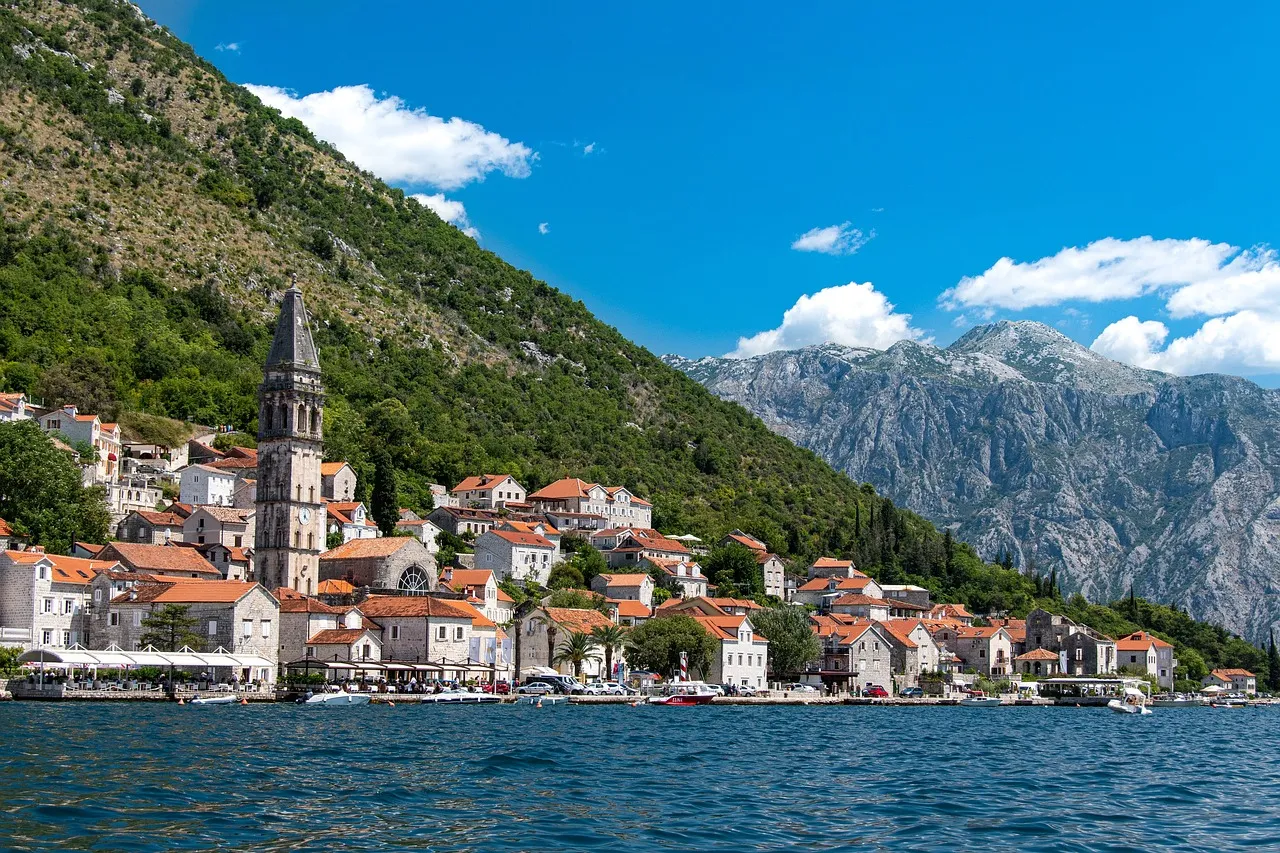
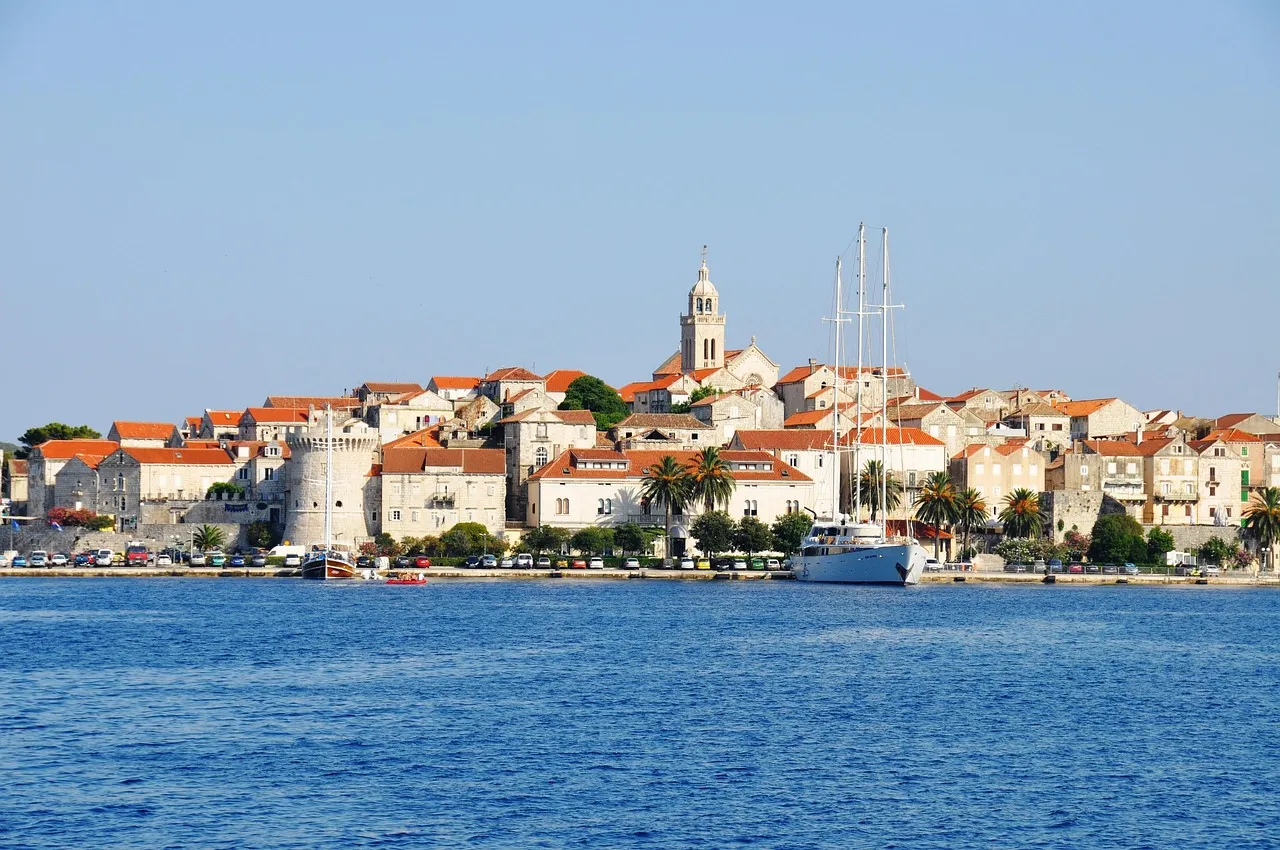
- Take a day trip: Kotor in Montenegro, the island of Korčula or the town of Cavtat.
- Look at quieter swaps: our alternatives to Dubrovnik post suggests places with the same feel.
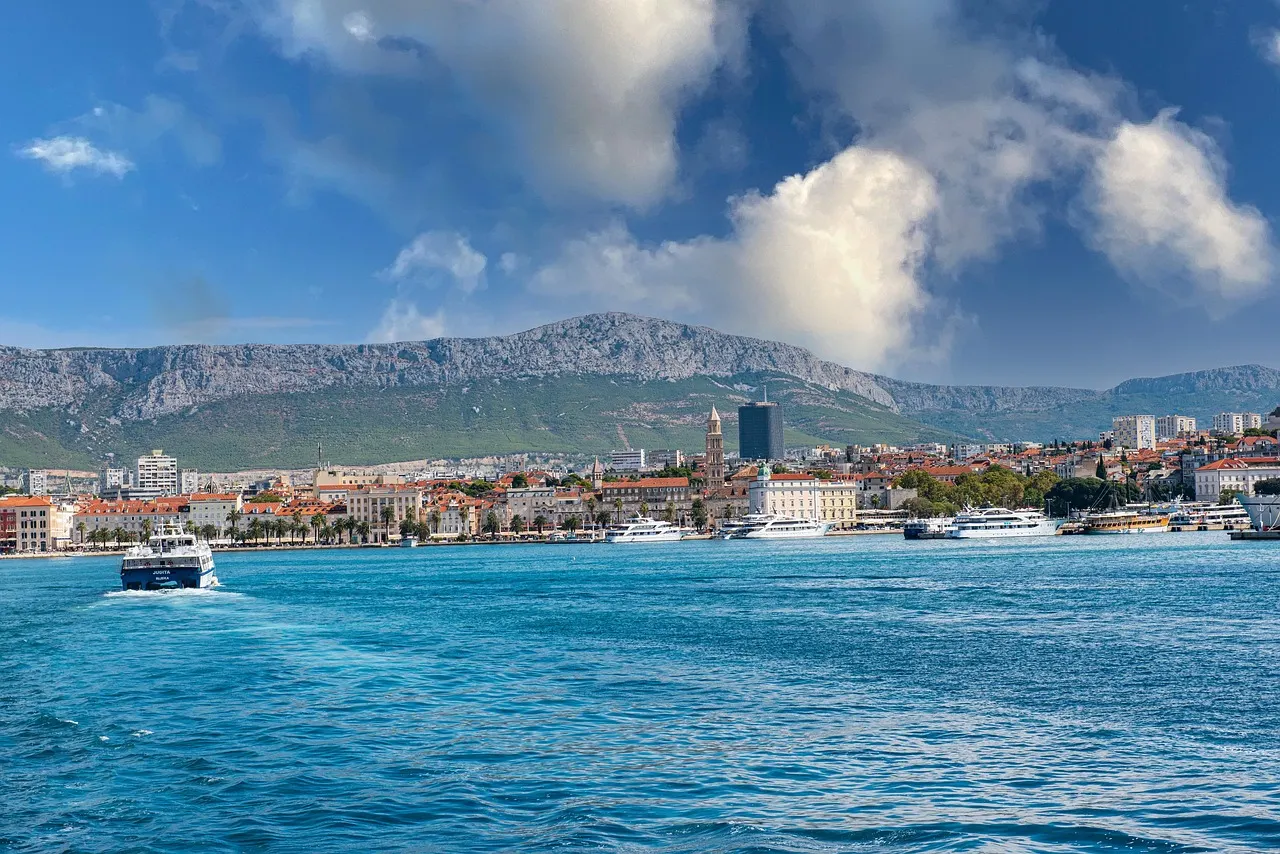
If you'd rather have a bigger base on the coast, Split has more going on in the evenings and more ferry links to the islands.
Still deciding?
For more of the coast, see our Croatia page. And if you're weighing up a few quieter trips, our posts on the quietest time to visit Venice and Amsterdam use the same approach. If you can't agree where to go, add them to somewhere.party and let the draw decide.