The short answer
- Quietest: January (after New Year's Day) and February.
- Also quiet: November and the first half of December.
- Busiest: April and May for tulips and King's Day, and June to August for summer.
The quiet months are cold and often grey, with highs of about 6°C, but they bring cheaper hotels, shorter queues at the big museums and a much calmer city centre.
Why Amsterdam gets so crowded
Amsterdam is one of the most visited cities in Europe, and its historic centre is small. Most visitors squeeze into the same few streets around the canals, Dam Square, the Red Light District and the Museum Quarter.
The city has been trying to manage the numbers. It has one of the highest tourist taxes in Europe, at 12.5% of the room price since 2024. It has restricted new hotels and plans to move cruise ships away from the city centre. None of that changes the basic pattern: spring and summer are busy, and winter is not.
Month by month
- January: the quietest month after New Year's Day. Cold and grey, but museums are calm and hotels are at their cheapest. The Amsterdam Light Festival usually runs into mid-January.
- February: still quiet and cheap, apart from the half-term weeks, when there are a few more families.
- March: busier from mid-month, when the Keukenhof tulip gardens usually open.
- April: one of the busiest months, with tulip season and King's Day on 27 April, when the whole city parties in orange.
- May: busy, with good weather and lots of weekend visitors.
- June to August: peak season. Warm, long days, and crowds everywhere.
- September: still busy, but calmer after the summer holidays end.
- October: busy with events such as the Amsterdam Dance Event and the marathon. Half-term adds families.
- November: quiet, especially early in the month. The Light Festival usually starts at the end of the month.
- December: calm until mid-month, then busy over Christmas and very busy at New Year.
The trade-offs of a quiet trip
The quietest months have the shortest days. In January, it gets dark at about 5pm, and the weather is often wet and windy. The tulips and the outdoor café culture of summer are missing too.
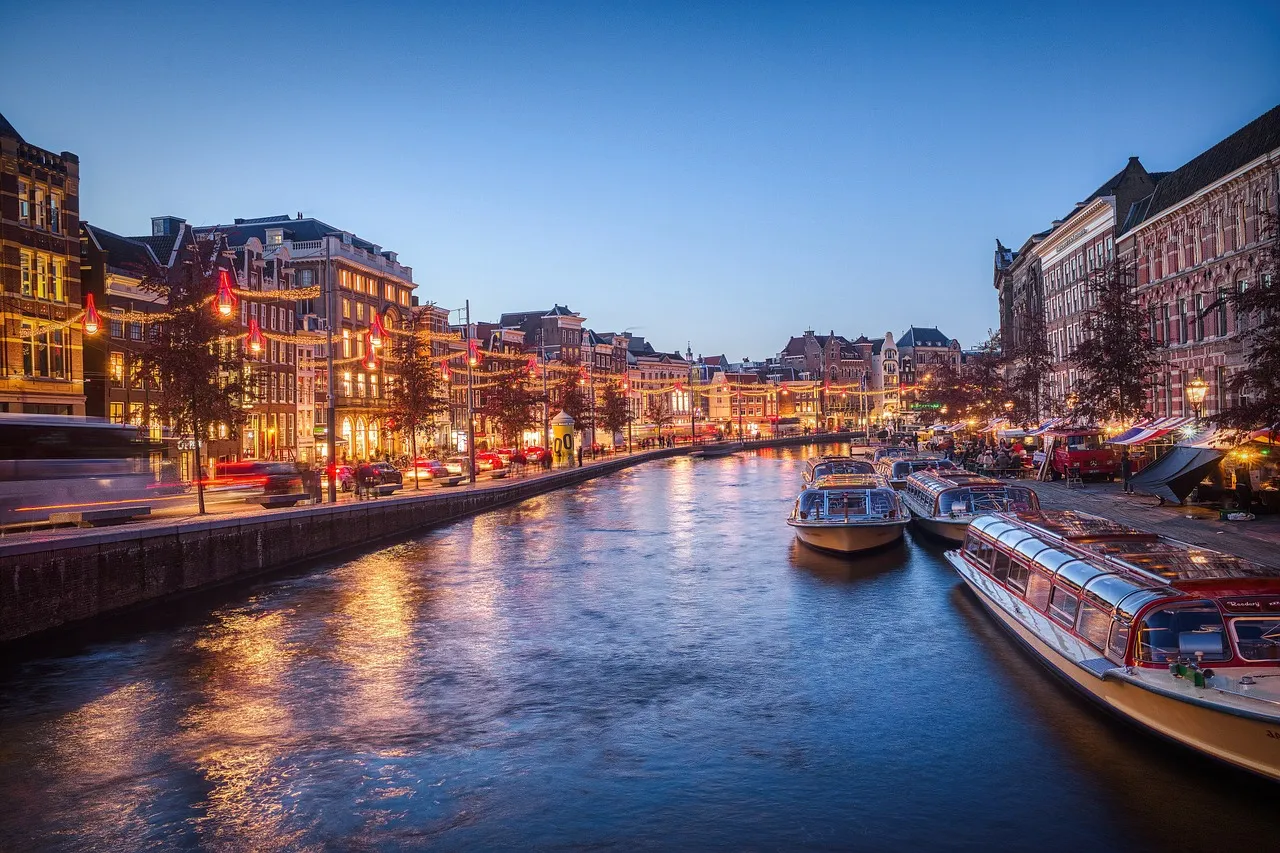
But Amsterdam suits winter well. Its best sights are indoors: the Rijksmuseum, the Van Gogh Museum and the Anne Frank House. The canals look lovely in the low light, and the city's cosy brown cafés are at their best on a cold afternoon. If you want both spring flowers and fewer crowds, aim for the first half of March, before Keukenhof opens, or go midweek in late April after King's Day.
What a quiet winter weekend looks like
Picture a Tuesday to Thursday trip in late January. You arrive by train from the airport into Centraal Station in about 15 to 20 minutes, check in to a canal-side hotel that costs far less than in spring, and walk the canal belt in the late afternoon as the lights come on.
The next morning, you book the first time slot at the Rijksmuseum and have the Night Watch almost to yourself. After lunch in the Jordaan, you visit the Anne Frank House with tickets bought online weeks before. On the last day, you take the free ferry to Amsterdam Noord for the views from the A'DAM Lookout, or spend a slow morning in a brown café before heading home.
None of that needs special planning in winter. In April or August, every step would mean queues, higher prices and much busier streets.
How to avoid the crowds whenever you go
- Go midweek. Tuesday to Thursday are usually quieter than weekends, when lots of short-break visitors arrive.
- Book museums in advance. The Anne Frank House only sells tickets online, and they sell out. The Rijksmuseum and Van Gogh Museum use timed tickets too.
- Start early. The canal belt is peaceful before about 10am, especially on weekdays.
- Explore beyond the centre. The Jordaan, De Pijp and Amsterdam Noord across the IJ river (free ferries from behind Centraal Station) feel much calmer.
- Skip the busiest streets in the evening. The area around Dam Square and the Red Light District is at its most crowded after dark on Friday and Saturday.
If Amsterdam still feels too busy
For canals without the crowds, try Giethoorn in the Netherlands, a village with no roads in its old centre. In Belgium, Bruges and Ghent are easy by train and quieter in winter.
Our Amsterdam guide covers what to see and where to stay. For more city ideas, see our city breaks page, and for another crowded favourite, read the quietest time to visit Venice. If you can't decide where to go, our guide to how to decide where to go on holiday can help.