Why look beyond Dubrovnik?
Dubrovnik is beautiful, and that's the problem. The old town is small, and on a summer day when cruise ships are in, the main street can feel like a queue. It's also one of the most expensive places to stay and eat on the Adriatic.
The city has been working on it. Under its "Respect the City" plan, the number of cruise ships that can dock at once has been capped, and the city has said entry to the walls will need booking in advance. It helps, but Dubrovnik still gets hundreds of cruise calls a year, and July and August are still very busy.
If what you really want is old stone streets, clear sea and a sunset drink by the water, you have plenty of other choices within a couple of hours' flight of the UK.
The quick comparison
Average daytime highs in June, from our guides:
- Dubrovnik: 27°C. The famous one, with the busiest summer and the highest prices.
- Kotor, Montenegro: 27°C. The closest match, and cheaper.
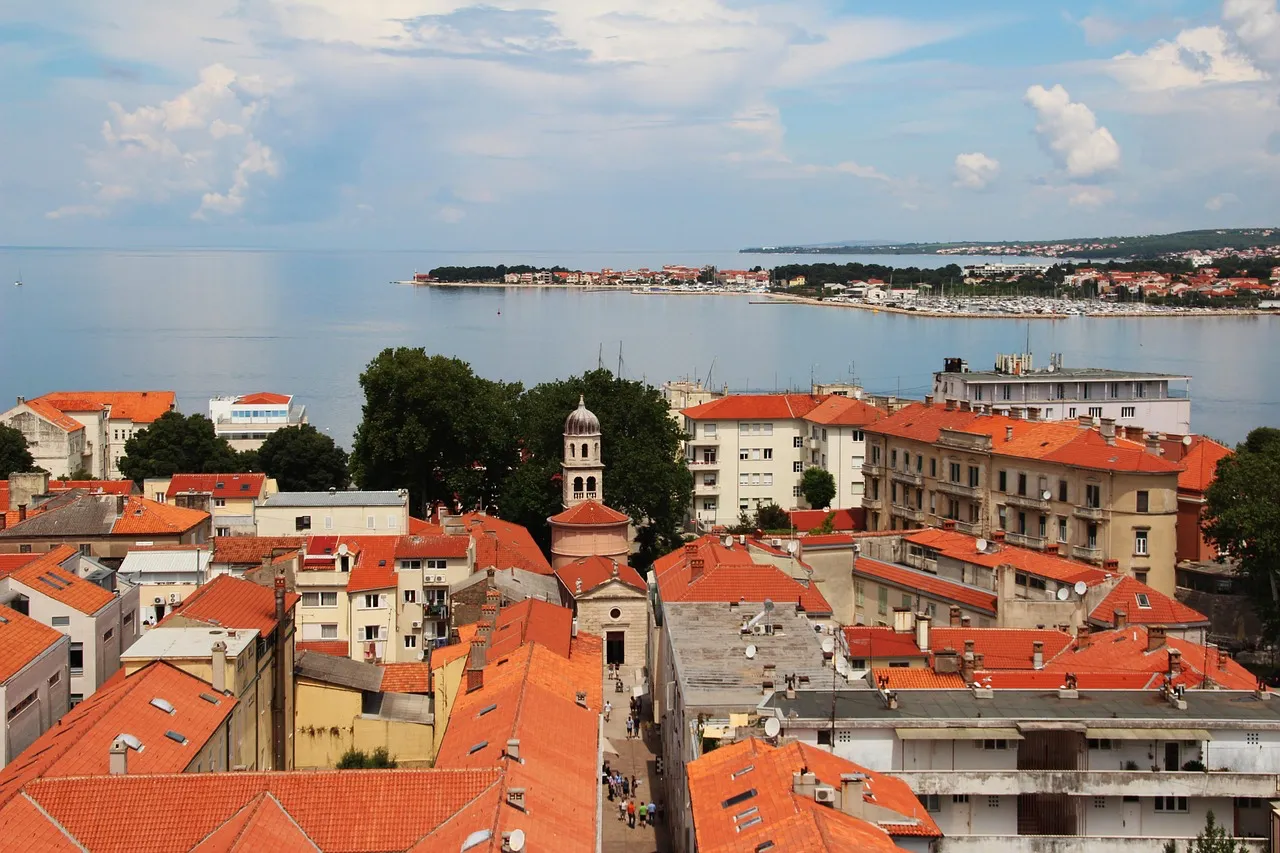
- Zadar, Croatia: 26°C. Roman ruins, sunsets and island trips.
- Piran, Slovenia: 26°C. A tiny Venetian-style town, best for a short, slow trip.
- Istria, Croatia: 26°C. Several harbour towns and hill villages, best with a car.
- Saranda, Albania: 29°C. The cheapest, and the warmest.
- Lake Ohrid, North Macedonia: 26°C. A lake rather than the sea, with old churches above the water.
Kotor: the closest match
If you want the Dubrovnik look, a walled old town under steep mountains on the water, Kotor is the nearest thing. It sits at the end of a long, fjord-like bay, about two hours' drive down the coast from Dubrovnik.
- What it's like: car-free lanes full of cats, and around 1,350 steps up the old walls to San Giovanni Fortress for the view over the bay.
- Beyond the town: a boat from Perast to Our Lady of the Rocks, the Blue Cave and the hairpin road up into Lovćen National Park.
- The catch: Kotor gets cruise ships too, so it isn't empty in summer. Explore the old town early or in the evening, and stay out by the bay rather than in the middle of the day crowds.
- Getting there: fly to Tivat, about 15 to 20 minutes' drive away. When we checked in October 2026, easyJet and Jet2 flew there from the UK, and British Airways added Heathrow flights for summer 2026. Most UK routes are seasonal, so check the current timetable.
Montenegro uses the euro but isn't in the EU, and it's generally cheaper than Dubrovnik for food and places to stay.
Zadar: sunsets instead of crowds
Zadar is further up the Croatian coast and feels like a place people actually live in. It has a Roman forum in the middle of town, the round church of St Donatus and a seafront where pipes under the steps play music as the waves come in. Sit on the Sea Organ steps at sunset, then watch the Greeting to the Sun light up after dark.
It's also a good base. The Kornati islands make a great boat trip, Krka National Park's waterfalls are about an hour's drive away, and Paklenica's canyon is close for walking. Ryanair has flown to Zadar from several UK airports; most routes run in summer, so check what's on from your nearest airport.
Go for a week, with a few days in town and a few days out on the water.
Piran: small, slow and Venetian
Slovenia only has a short stretch of coast, and Piran is its prettiest town. It's built on a narrow point of land, with an oval main square that used to be the harbour, a bell tower to climb and old walls on the hill with the classic view down over the rooftops.
It's much smaller than Dubrovnik, so it suits a short, slow break rather than a busy sightseeing holiday. Add a day at the Sečovlje salt pans, the Strunjan cliffs, or the huge Škocjan Caves about an hour away.
The nearest airport is usually Trieste, just over the Italian border, though Ljubljana and Pula are options too. It's also easy to pair with Ljubljana or Lake Bled for a two-centre trip.
Istria: Dubrovnik spread across a whole peninsula
Istria, on Croatia's northern tip, swaps one famous town for several smaller ones. Rovinj's pastel houses climb up to a hilltop church, Pula has a Roman amphitheatre that's in remarkably good shape, and inland there are walled hill towns like Motovun above truffle woods.
It's the best choice here if you want variety and don't mind driving. Fly to Pula, hire a car, and split the week between the coast and the hills. October is truffle season inland, though by then the sea is too cool for most people.
Saranda: the budget pick
Saranda is on Albania's coast, looking straight across to Corfu. It's the warmest place on this list in summer and usually the cheapest by some way.
The town itself is more modern than pretty, with a long, lively seafront. The reasons to go are nearby: the Greek, Roman and Venetian ruins at Butrint, the small white beaches and islets at Ksamil, and the startling Blue Eye spring. Ksamil gets very busy in July and August, so June and September are better.
Most people from the UK fly to Corfu and take the ferry. The fastest boats take about 30 minutes; slower ones take an hour or more. Corfu is an hour ahead of Albania, so the timetable can look odd.
Lake Ohrid: old churches without the sea
Lake Ohrid is the wildcard. Instead of the Adriatic, you get a deep, clear lake ringed by mountains, with an old town of steep lanes, an ancient theatre and the little church of St John at Kaneo on a cliff above the water. It has the same mix of history and swimming as Dubrovnik, with a fraction of the visitors.
It's warm enough to swim in the lake from June to September, and it's one of the cheapest places in Europe for a summer holiday. Flights to Ohrid from the UK are limited, so many people fly to Skopje instead, about a three-hour drive away. Check what's running for your dates.
Which one should you choose?
- You want the Dubrovnik look for less: Kotor.
- You want sunsets, islands and a real town: Zadar.
- You want a short, slow city break by the sea: Piran.
- You want variety and a road trip: Istria.
- You want the lowest prices and the hottest sun: Saranda.
- You want something different: Lake Ohrid.
Wherever you pick, the timing advice is the same as for Dubrovnik itself: May, June and September give you warm sea and far fewer people than July and August.
If your group can't agree, put two or three of these on your somewhere.party ideas list and let everyone add points, or browse more culture holidays and Croatia holiday ideas.