Holidays in Florence
Renaissance art, a famous red dome and Tuscan food in a compact, walkable city. Here's what Florence is like, when to go and how long to stay.

The EU is bringing in new entry checks, so check the rules on GOV.UK before you book.
Temperatures are the average daytime high in °C.
April, May, September and October are the best months, warm enough for long days of walking without the heat and queues of high summer. July and August are very hot, often over 33°C. Winter is cool and quiet, with short queues for the galleries and Christmas lights in December.
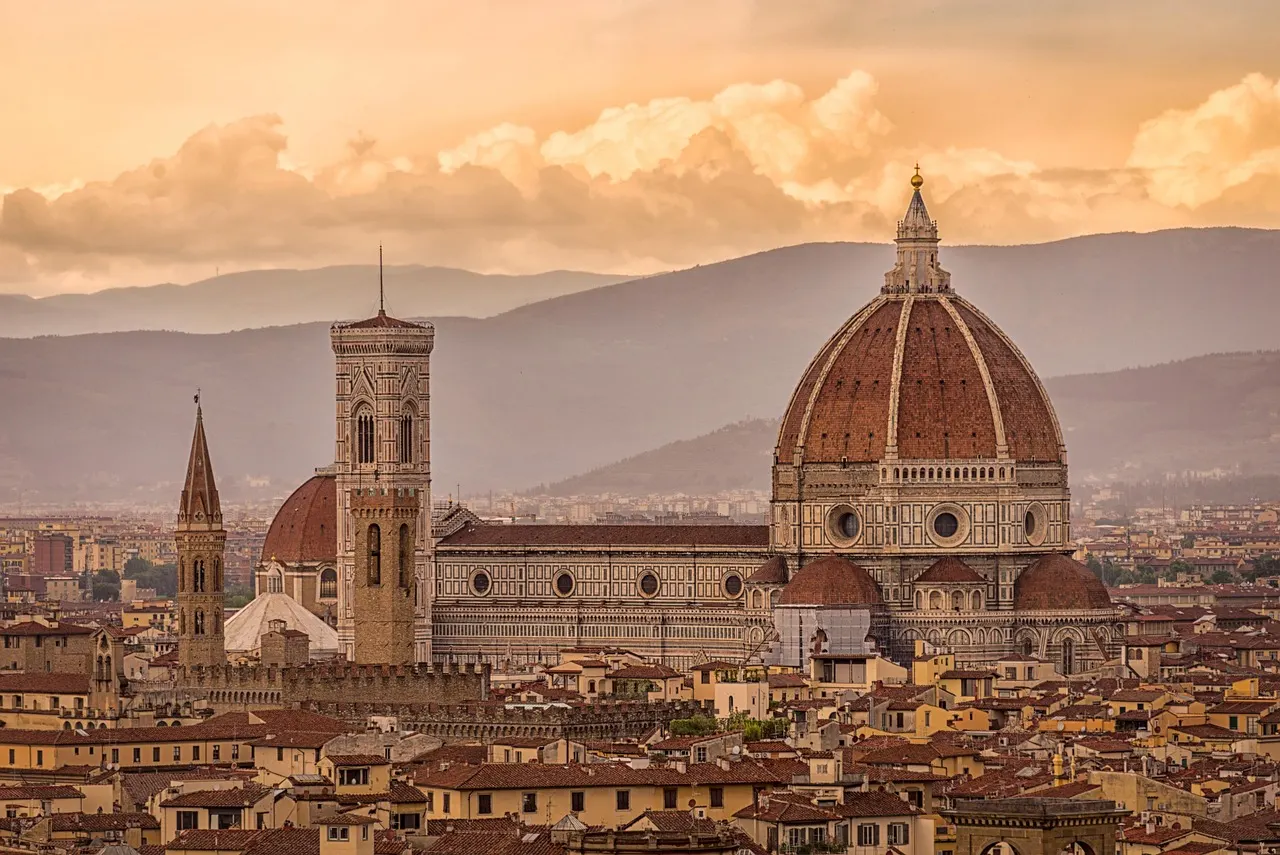
Climb 463 steps inside Brunelleschi's dome for a view across the city. Book a slot ahead.
Botticelli, Leonardo and Michelangelo in one gallery. Go first thing or book tickets well in advance.
The original statue stands in the Galleria dell'Accademia, a short walk from the Duomo.
Cross the old bridge to the artisans' quarter, then climb to Piazzale Michelangelo for sunset.
A food market with Tuscan produce downstairs and a food hall upstairs.
Wine estates and hill towns are an easy day out by bus, train or tour.
Three days covers the main galleries and sights. Add a day or two for Siena, Pisa or the Chianti hills.
It's a good idea, especially from spring to autumn, as queues for walk-up tickets can be long.
Yes, the historic centre is compact and mostly pedestrianised. You'll rarely need a bus.
Yes, a nightly city tax is charged per person at hotels, usually paid when you check out.
Put Florence on standby with everyone's other ideas. You each spread your points in secret, get one veto, and the draw picks where you go.