Holidays on the Amalfi Coast
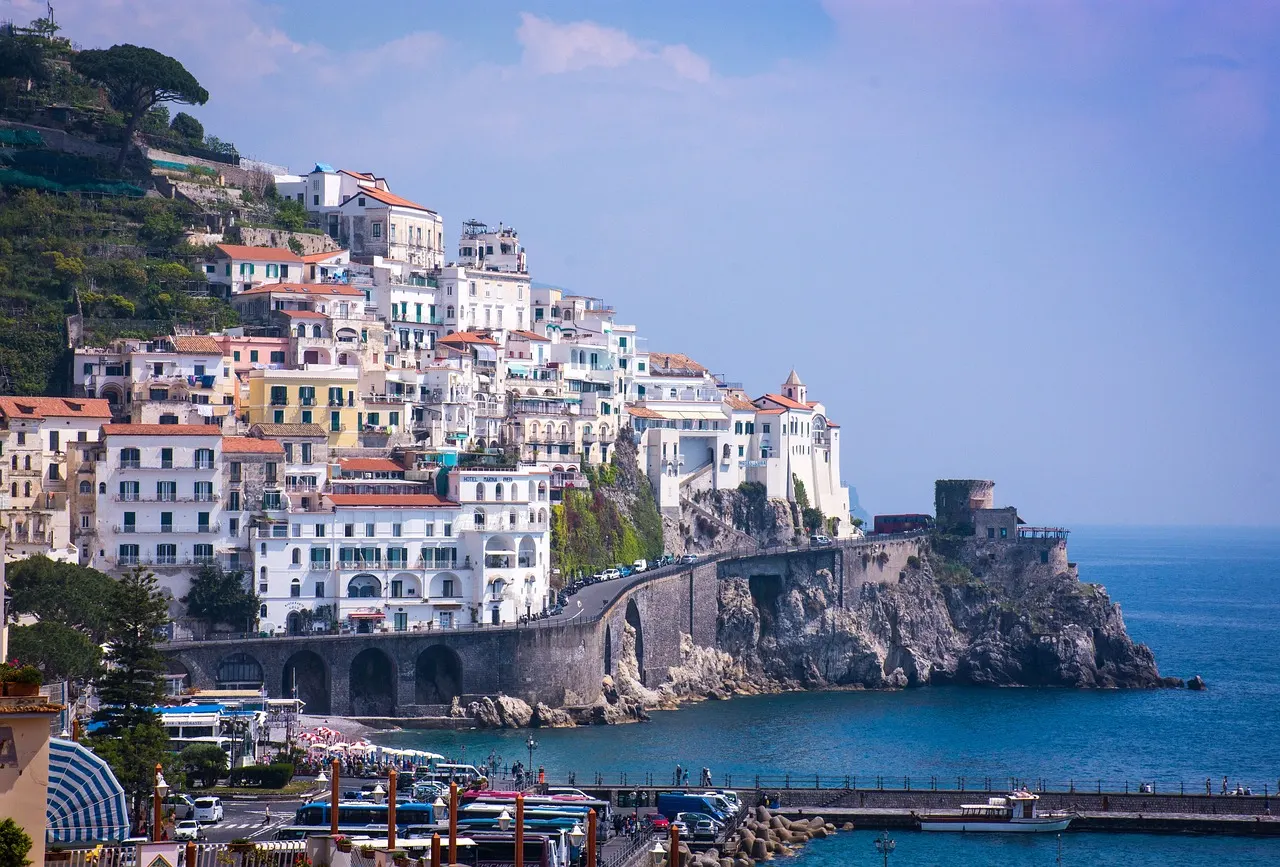
Pastel villages stacked on cliffs, lemon groves and boat trips along Italy's most famous coastline. Here's what the Amalfi Coast is like, when to go and how long to stay.

The EU is bringing in new entry checks, so check the rules on GOV.UK before you book.
Temperatures are the average daytime high in °C.
May, June and September are the best months, warm enough to swim with fewer crowds than midsummer. July and August are hot and crowded, and the coast road gets very busy. April and October are good for walking. From November to March many hotels close and ferries run less often.
The coast's most photographed town, with steps winding down to a pebble beach.
A cliffside trail from Bomerano to Nocelle with views over Positano and Capri. Allow about three hours.
A striped cathedral at the top of a grand staircase, with a peaceful cloister.
A hilltop town of gardens. Villa Rufolo and Villa Cimbrone have some of the best views in Italy.
Ferries and private boats run to Capri, with stops at sea caves and swimming spots.
The Roman town buried by Vesuvius, reached by train from Sorrento.
Positano is the most famous and priciest. Amalfi is central for ferries and buses. Sorrento, just outside the coast, is cheaper and has good transport.
Ferries are the easiest way between towns in season. SITA buses also run along the coast road. Driving and parking are hard.
Most beaches are pebbly and small. Many are run by beach clubs with sunbeds, with free sections alongside.
Four or five days covers the main towns, a hike and a boat trip. A week lets you add Capri and Pompeii.
Put Amalfi Coast on standby with everyone's other ideas. You each spread your points in secret, get one veto, and the draw picks where you go.