Holidays in Plovdiv
A Roman theatre, colourful revival houses and a buzzing creative quarter in one of Europe's oldest cities. Here's what Plovdiv is like, when to go and how long to stay.

Bulgaria switched from the lev to the euro on 1 January 2026. The EU is bringing in new entry checks, so check the rules on GOV.UK before you book.
Temperatures are the average daytime high in °C.
May, June and September are ideal, warm enough for evenings outside without the heat of high summer. July and August often pass 30°C, so plan sightseeing for the morning and evening. Winters are cold and grey, but cheap and quiet.
A Roman theatre carved into the hillside, still used for concerts and opera in summer.
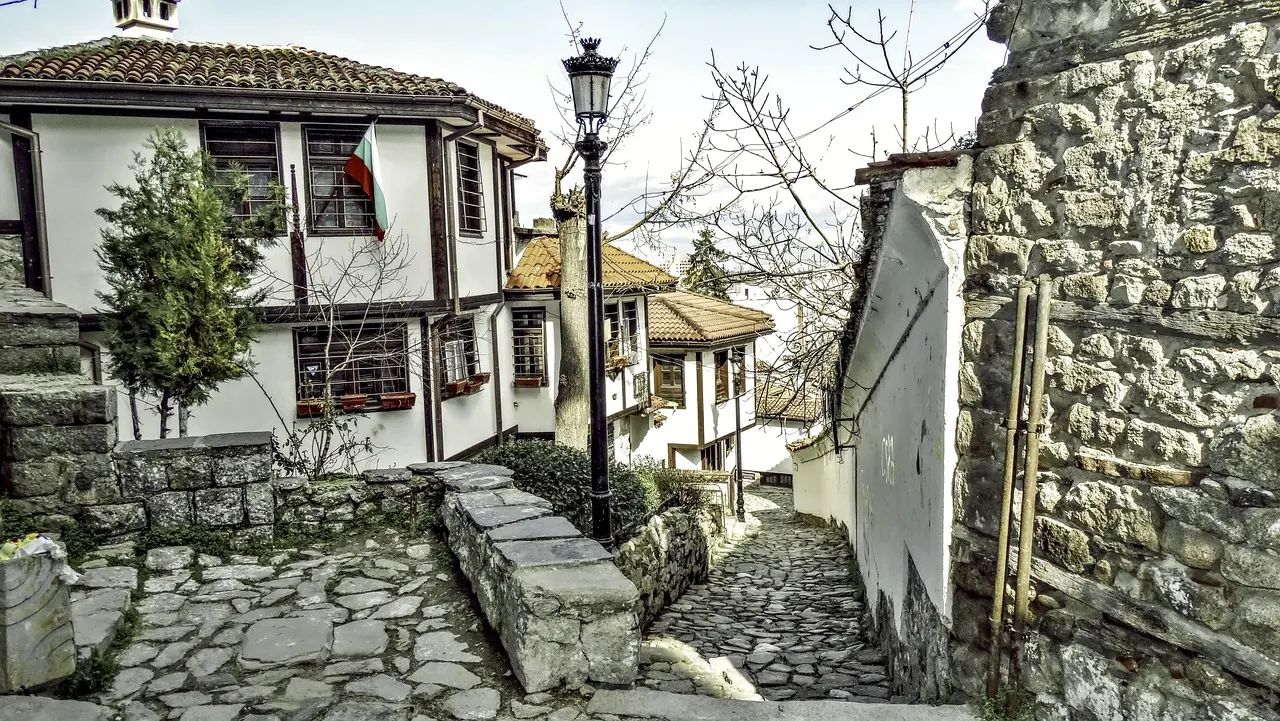
Steep cobbled lanes of brightly painted 19th-century merchant houses, several open as small museums.
The creative quarter of narrow streets, with street art, craft shops, cafés and bars.
Part of a 2nd-century stadium is uncovered beneath the main shopping street, with seats you can sit on.
A hilltop with ancient ruins and the best sunset view over the city's rooftops.
One of Bulgaria's oldest monasteries, about half an hour south in the Rhodope Mountains.
Yes, Ryanair has flown from London Stansted to Plovdiv, a little over three hours. Schedules change by season, and Sofia airport, about two hours away, has more flights.
Yes. It has Roman ruins, a pretty old town and a lively café scene, with prices well below most European cities.
The euro, since 1 January 2026. It replaced the Bulgarian lev.
Two full days covers the main sights. Add a day for Bachkovo Monastery or the Rhodope Mountains.
Put Plovdiv on standby with everyone's other ideas. You each spread your points in secret, get one veto, and the draw picks where you go.