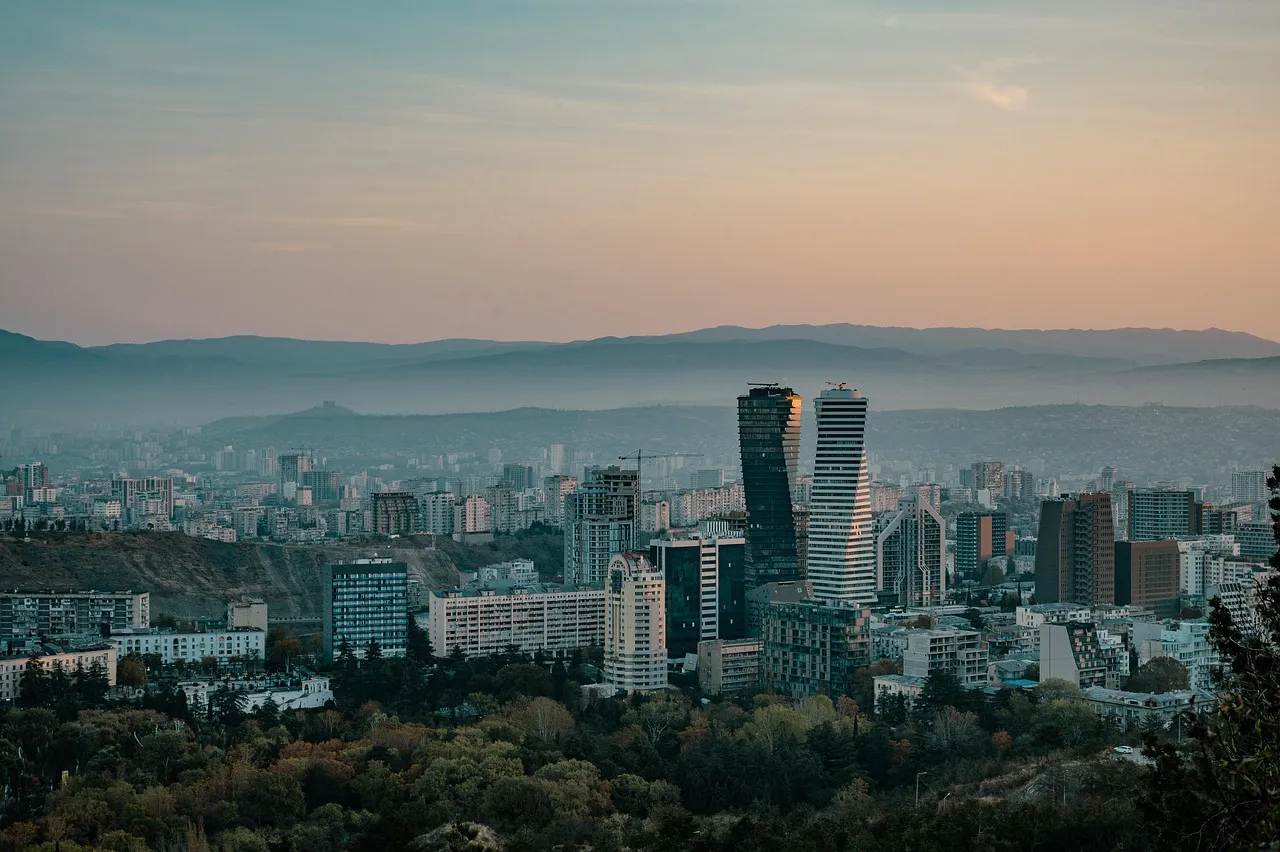
Holidays in Tbilisi
Cable cars, sulphur baths and cheese-filled bread in an old Caucasus capital. Here's what Tbilisi is like with the family, when to go and how long to stay.

GOV.UK advises against travel to some regions of Georgia, so check the latest travel advice before you book.
May, June, September and October are warm and pleasant for walking the old town. July and August are hot, so plan sightseeing for mornings and evenings. Winter is cold but quiet and cheap.
Ride the cable car up from Rike Park to the old fortress walls and the Mother of Georgia statue.
An amusement park on the hill above the city, reached by funicular, with rides and big views.
A glass footbridge over the river, lit up at night, next to Rike Park's play areas.
Hire a private room with a warm sulphur pool, a good choice for families.
Gold treasures, ancient skulls and Georgian history on Rustaveli Avenue.
A flea market full of old coins, Soviet badges, toys and paintings.
Yes, for curious families. It's good value and friendly, with cable cars, a hilltop fun park and easy food like khachapuri, a cheese-filled bread. Hills and uneven pavements make pushchairs hard work.
Four or five nights covers the city, with time for a day trip to Mtskheta or the mountains.
Most routes change in Istanbul or another European hub. British passport holders don't need a visa and can stay for up to a year.
Tbilisi is generally safe for visitors. The traffic is the biggest risk, so use crossings and underpasses and keep a close hold of small children near roads.
Put Tbilisi on standby with everyone's other ideas. You each spread your points in secret, get one veto, and the draw picks where you go.