Holidays in Malaga
City beaches, Picasso's birthplace and a Moorish fortress, with year-round sunshine on the Costa del Sol. Here's what Malaga is like, when to go and how long to stay.

The EU is bringing in new entry checks, so check the rules on GOV.UK before you book.
Temperatures are the average daytime high in °C.
April to June, September and October are the best times, warm and sunny without the heat and crowds of high summer. Holy Week brings big processions. July and August are hot, and the August fair fills the streets. Winter is one of the mildest in mainland Europe, with highs around 17°C.
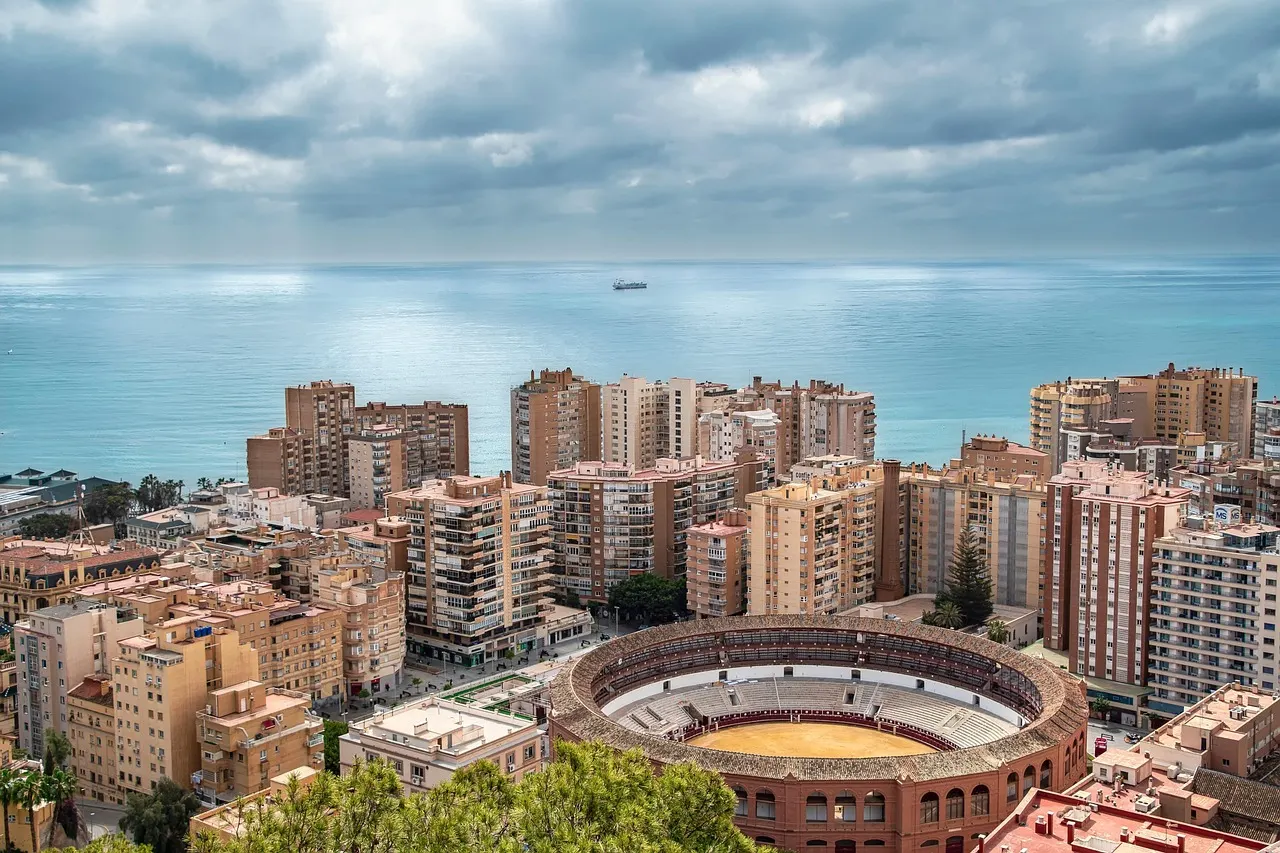
A Moorish fortress and a castle on the hill above, with views over the port and bullring.
More than 200 works by Picasso in a palace close to the house where he was born.
A city beach of dark sand a short walk from the old town, lined with chiringuitos grilling sardines.
A covered food market with stained glass, fresh fish and tapas bars.
A walkway pinned high on the walls of a gorge, about an hour away. Book ahead.
A seaside town with caves and the Balcón de Europa, and a white village in the hills.
Both. The city has museums and tapas bars, and the beach is a short walk away. The Costa del Sol resorts are close by train.
Yes, it's one of the mildest places in mainland Europe, often around 17°C and sunny in January.
Three days covers the city. A week lets you add beaches, the Caminito del Rey and day trips to Ronda or Granada.
The train takes about 12 minutes to the centre. There's also a bus.
Put Malaga on standby with everyone's other ideas. You each spread your points in secret, get one veto, and the draw picks where you go.