🇨🇭 SWITZERLAND
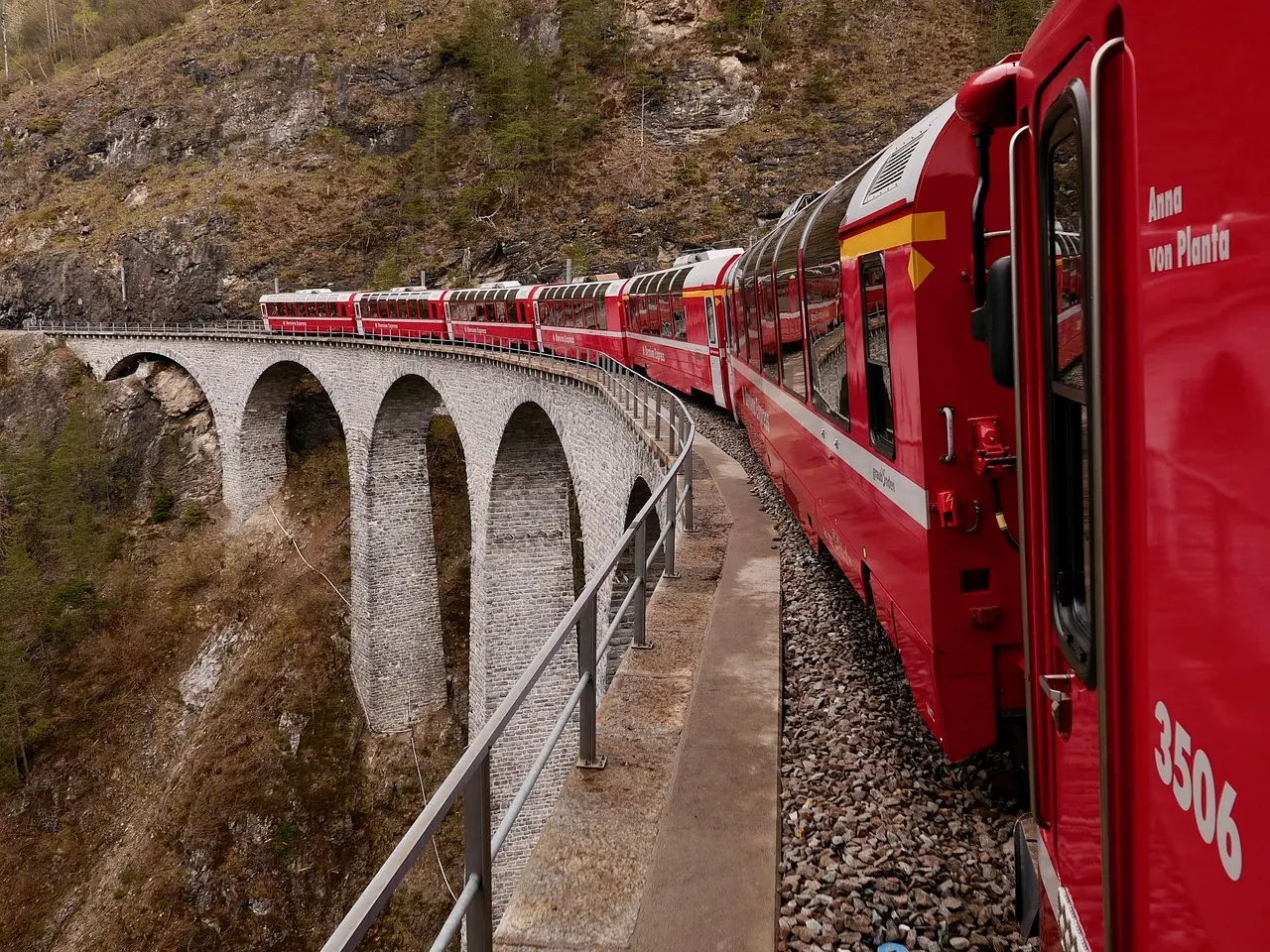
Bernina Express
A red panoramic train that climbs over the Bernina Pass and drops past glaciers to Tirano in Italy, on a UNESCO-listed line through the Swiss Alps.
By train✈️ 2h2 to 4 nights£££
BEST TIMEJUN–SEP
Lakes, glaciers, scenic trains and some of the best skiing in Europe. Here's where to go on holiday in Switzerland, how long to stay and the best time to visit.
A red panoramic train that climbs over the Bernina Pass and drops past glaciers to Tirano in Italy, on a UNESCO-listed line through the Swiss Alps.
BEST TIMEJUN–SEP
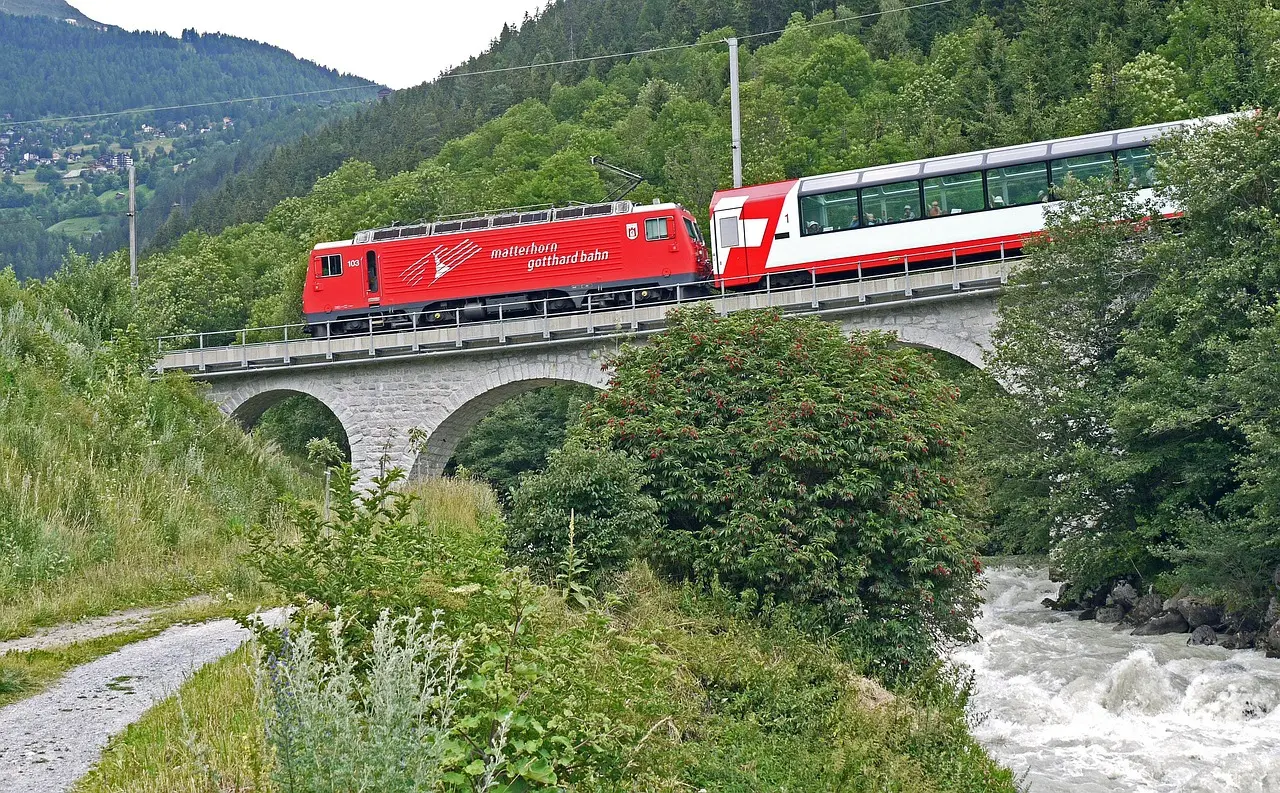
A slow, panoramic train across the Swiss Alps from Zermatt to St Moritz, over the Oberalp Pass, through the Rhine Gorge and across hundreds of bridges.
BEST TIMEJUN–SEP
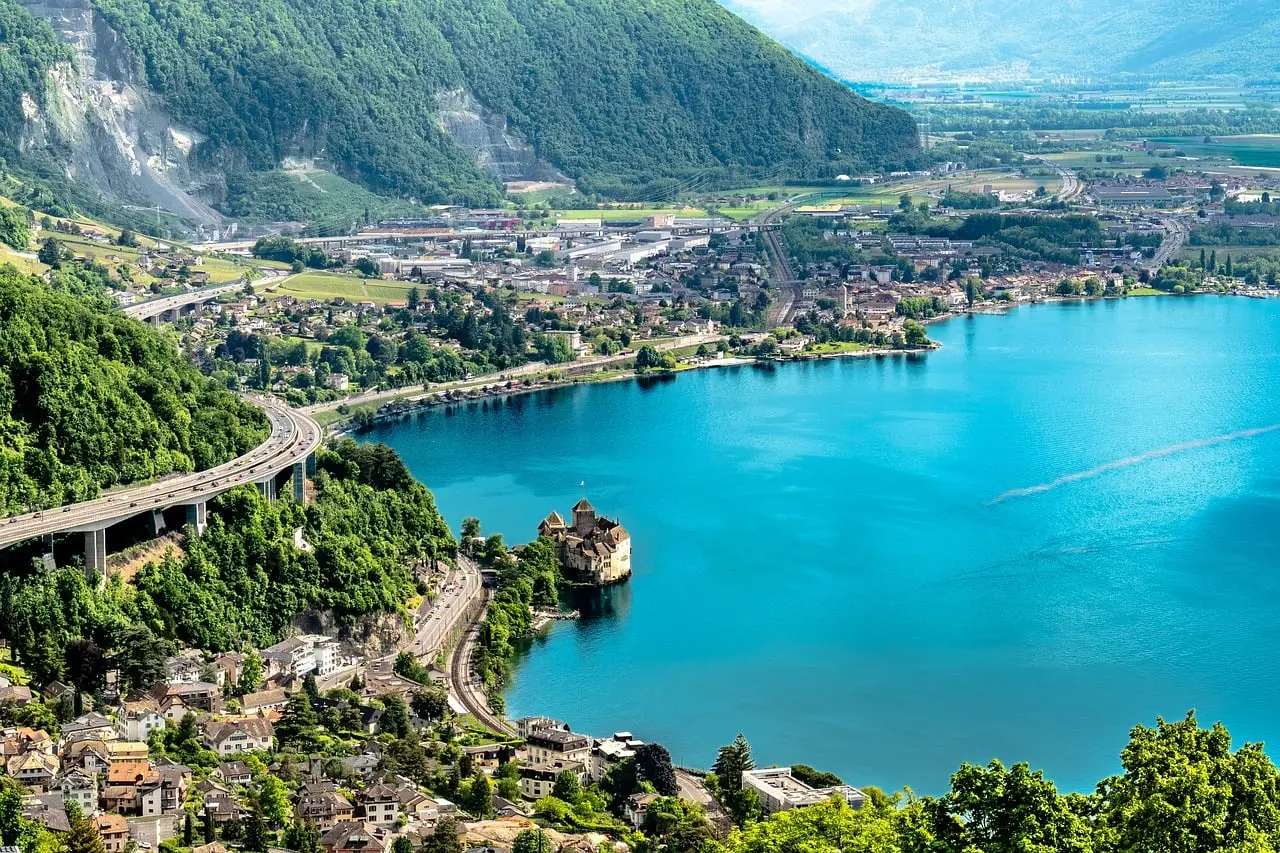
A scenic train from Montreux on Lake Geneva through the chalet country of Gstaad to Interlaken, then over the Brünig Pass to Lucerne.
BEST TIMEMAY–SEP
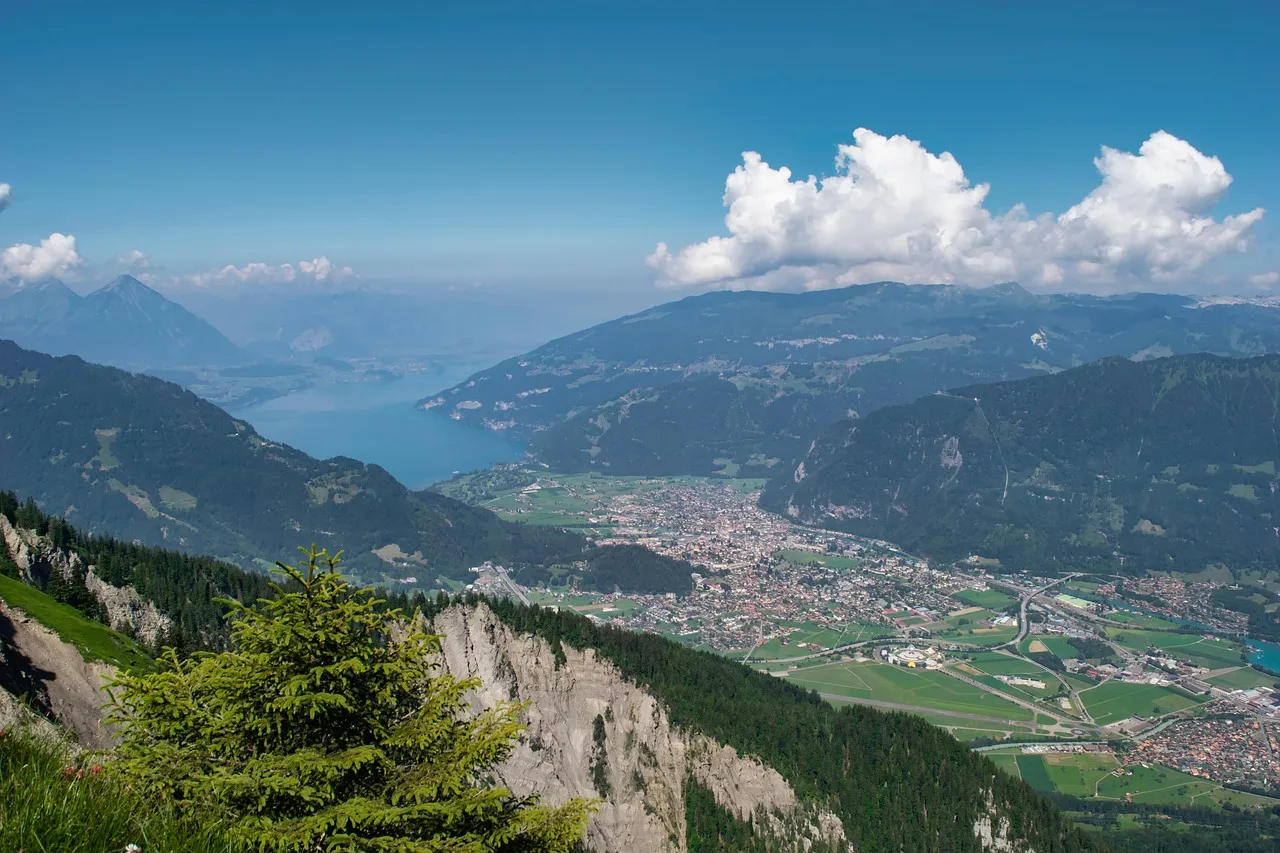
Mountain trains, glacier views and turquoise lakes in the heart of the Swiss Alps.
BEST TIMEJUN–SEP
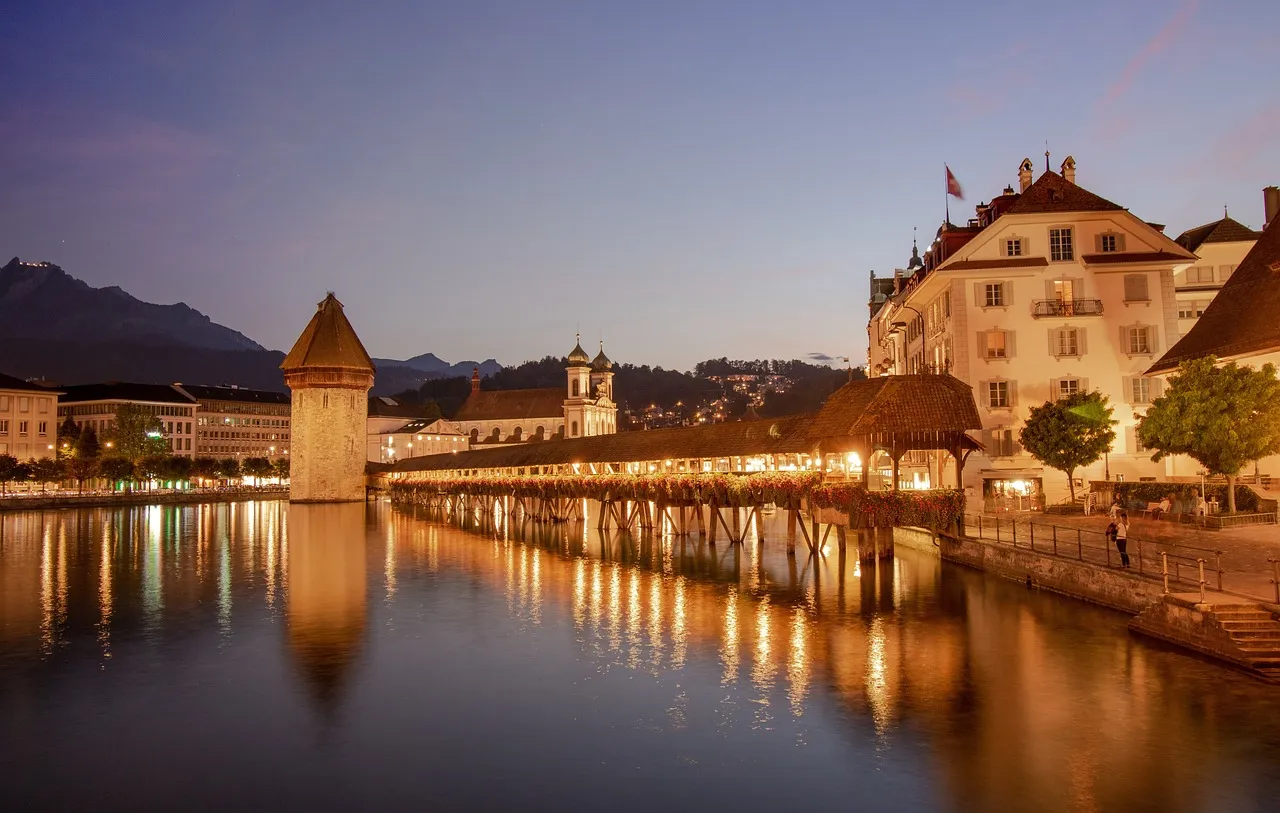
A fjord-like lake ringed by mountains, with old paddle steamers, cog railways and a pretty medieval town at one end.
BEST TIMEMAY–SEP
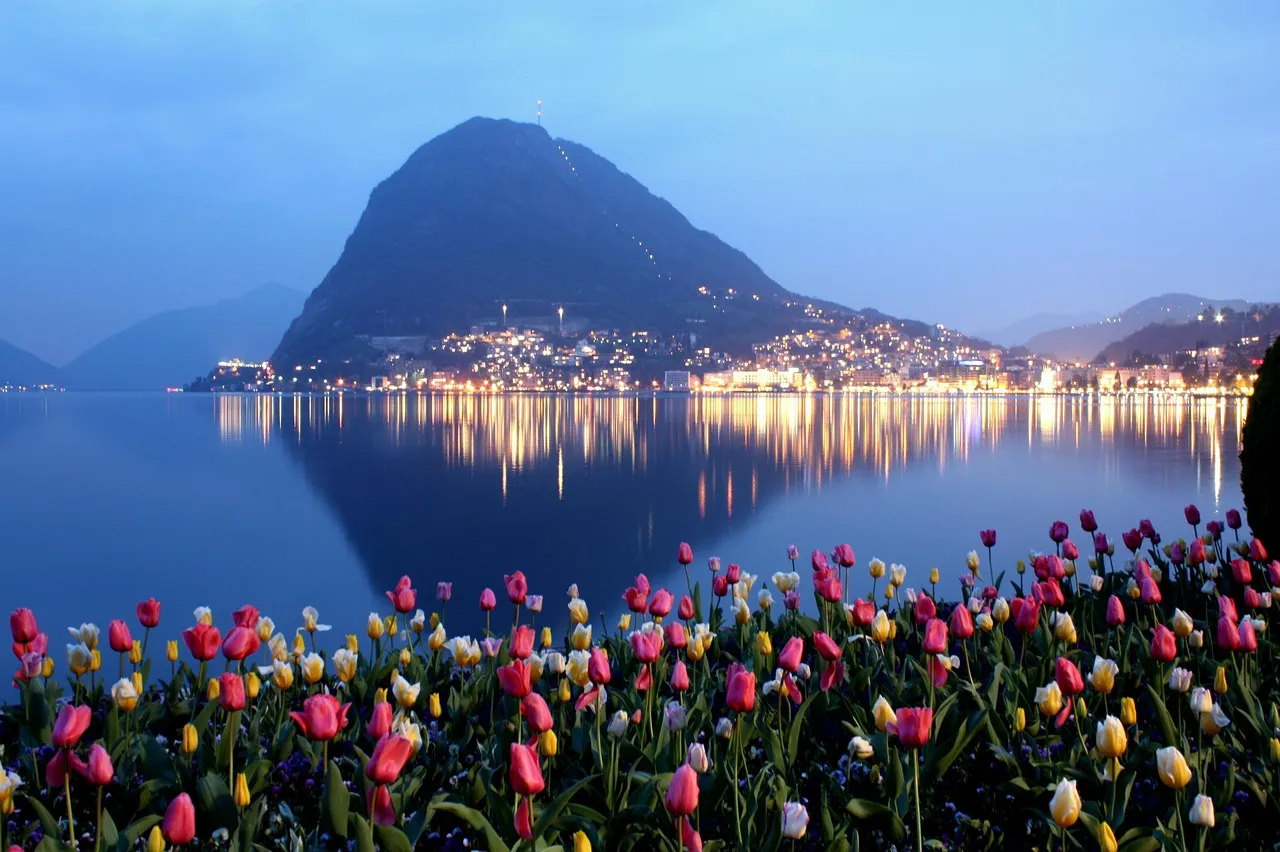
An Italian-speaking Swiss lake city with palm trees, mountain funiculars and lakeside villages, where Switzerland meets the Mediterranean.
BEST TIMEAPR–SEP
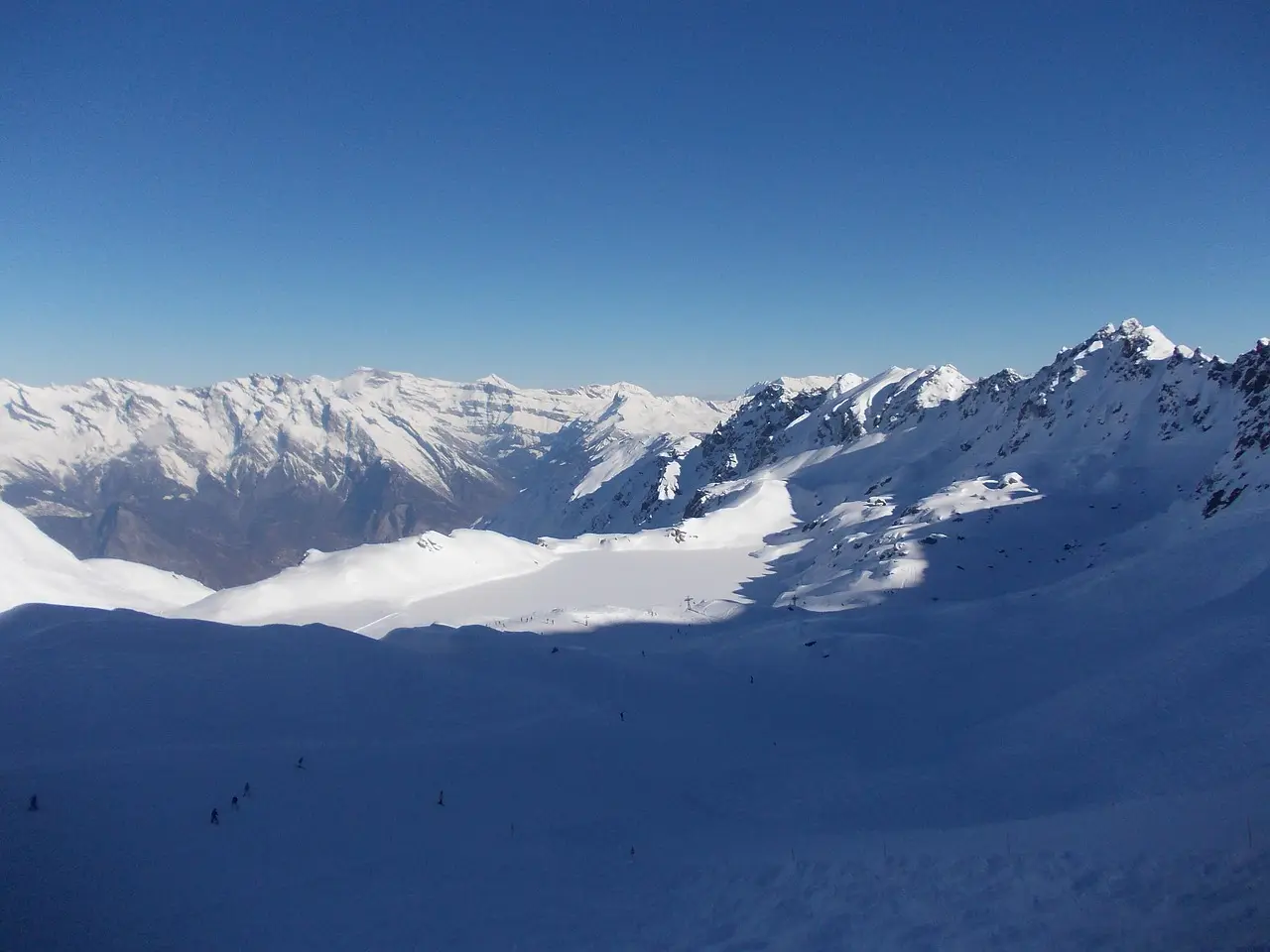
A smart chalet village on a sunny balcony in the Swiss Valais, with big views and some of the most famous off-piste skiing in the Alps.
BEST TIMEDEC–MAR
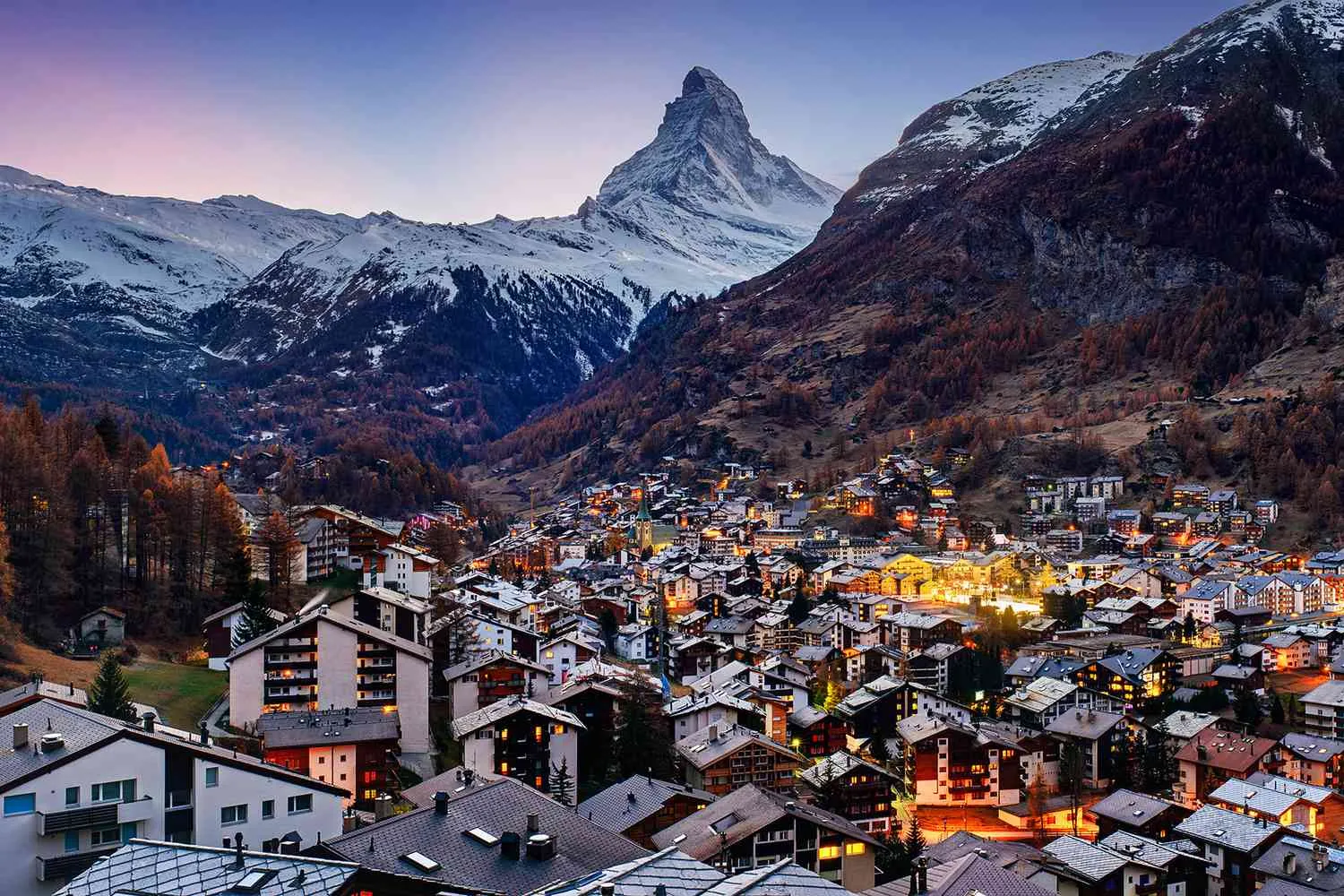
A car-free mountain village under the Matterhorn, with snow almost guaranteed at Christmas.
BEST TIMEJUL–AUG, DEC–MAR
Where's at its best in each month of the year.
Switzerland's trains are a holiday on their own. The Glacier Express runs between Zermatt and St Moritz in about 8 hours, the Bernina Express climbs over the Alps and down into Italy, and the GoldenPass Express links Lake Geneva with Interlaken. June to September is best for views, though the Glacier and Bernina Express also run in winter, through the snow.
Interlaken sits between two lakes with the Jungfrau above it, and is the easiest base for mountain railways, walks and adventure sports. Lake Lucerne has paddle steamers and a pretty old town. For something warmer, Lugano is in the Italian-speaking south, with palm trees and Italian food.
Zermatt has the Matterhorn and skiing that runs late into spring, and its glacier means you can ski there in summer too. Verbier is bigger, with more off-piste and a livelier evening scene. Both are car-free or nearly so, and both are expensive, so a week's ski pass and food are worth pricing up before you book.
Geneva, Zurich and Basel are about 1 hour 45 minutes' flight from the UK. Switzerland is one of the most expensive countries in Europe, so look at a Swiss Travel Pass if you'll take a lot of trains, and supermarket picnics for lunch.
June to September for lakes, walks and scenic trains. December to March for skiing, with Zermatt good into April.
The Glacier Express is the most famous, but the Bernina Express is shorter and has the most dramatic climb, over the Alps into Italy.
Yes, it's one of the most expensive countries in Europe. Trains, hotels and eating out all cost more than in neighbouring countries, so budget for that.
· Matt
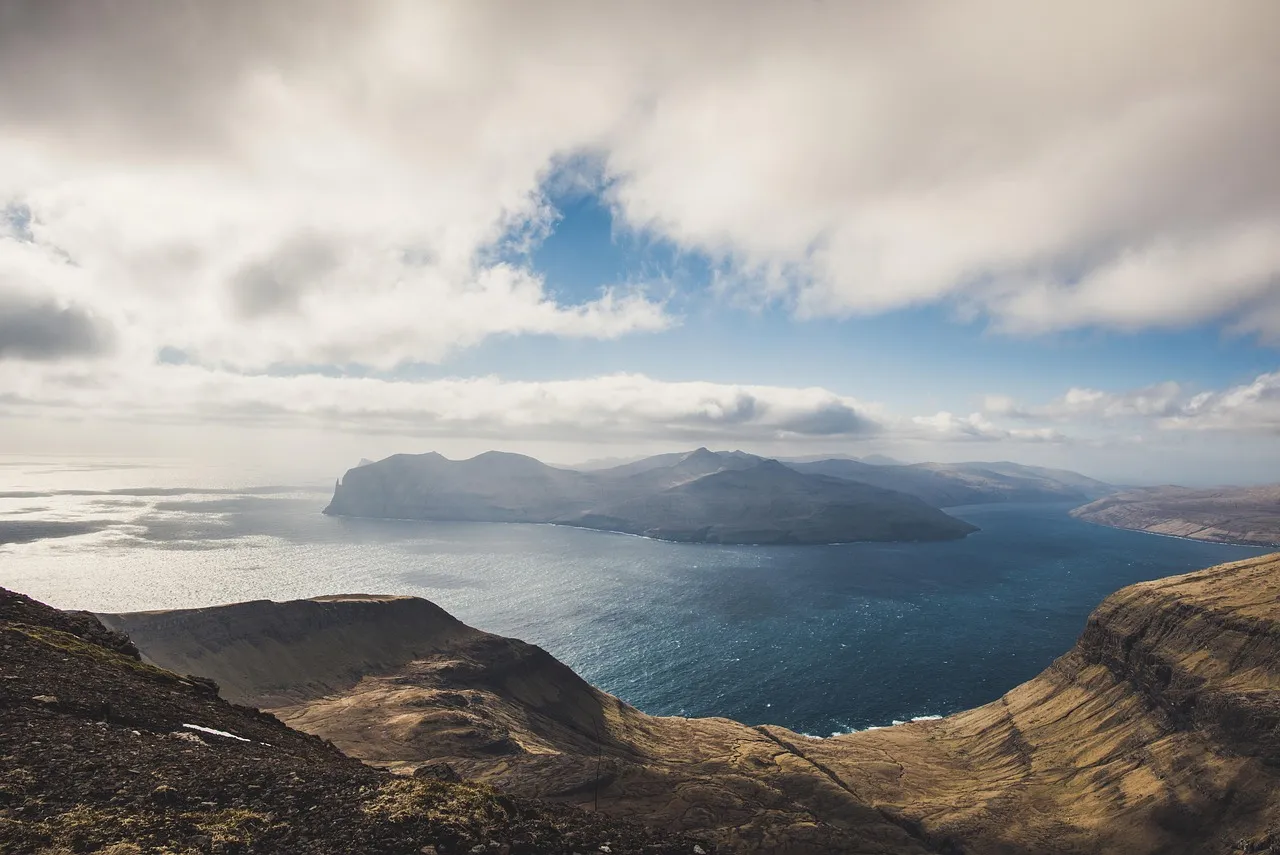
If you'd rather not swelter, Norway, Iceland, the Faroe Islands, the Baltic capitals, Brittany and the Alps all usually stay under 25°C in August. Here are 10 cooler places, from 13°C to 24°C, and what each is like in summer.
· Brogan
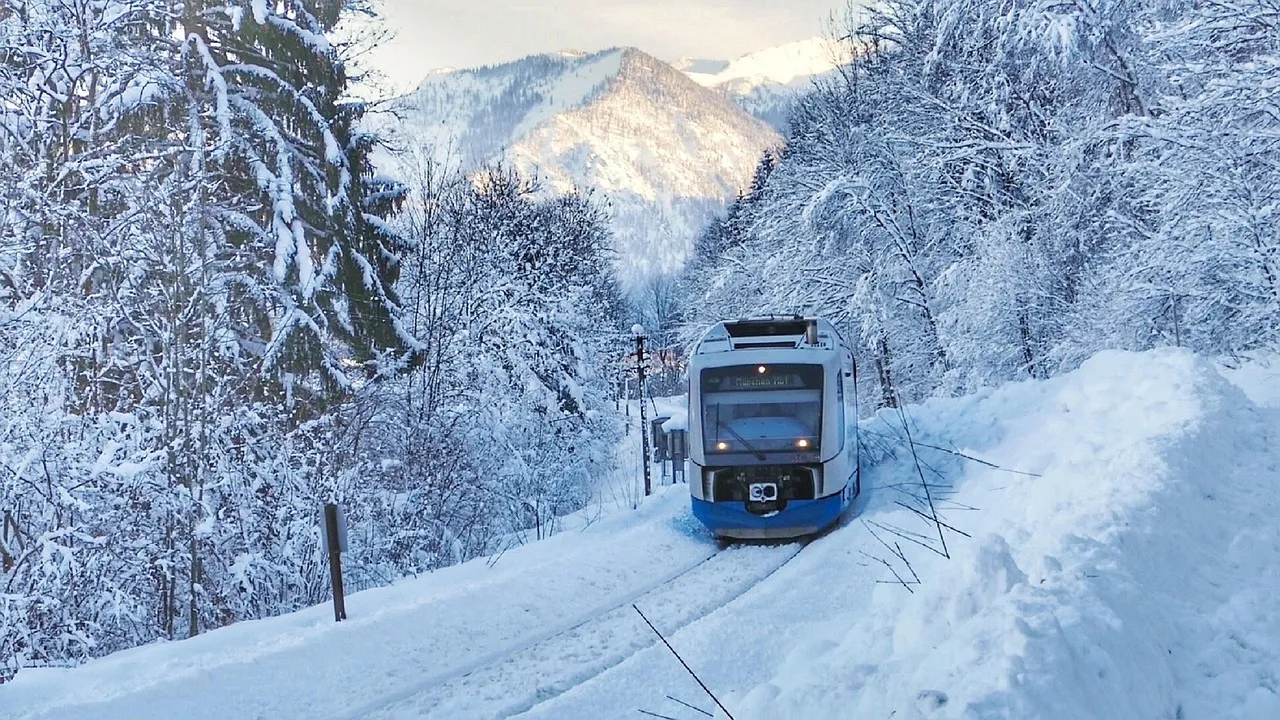
The easiest ski resorts to reach by train from London are in the French Alps around Bourg-Saint-Maurice and Moûtiers, served by Eurostar's Saturday snow train in about eight hours. Chamonix, Zermatt, Verbier and St Anton take longer, with a change or two. Here's how each works.
· Brogan
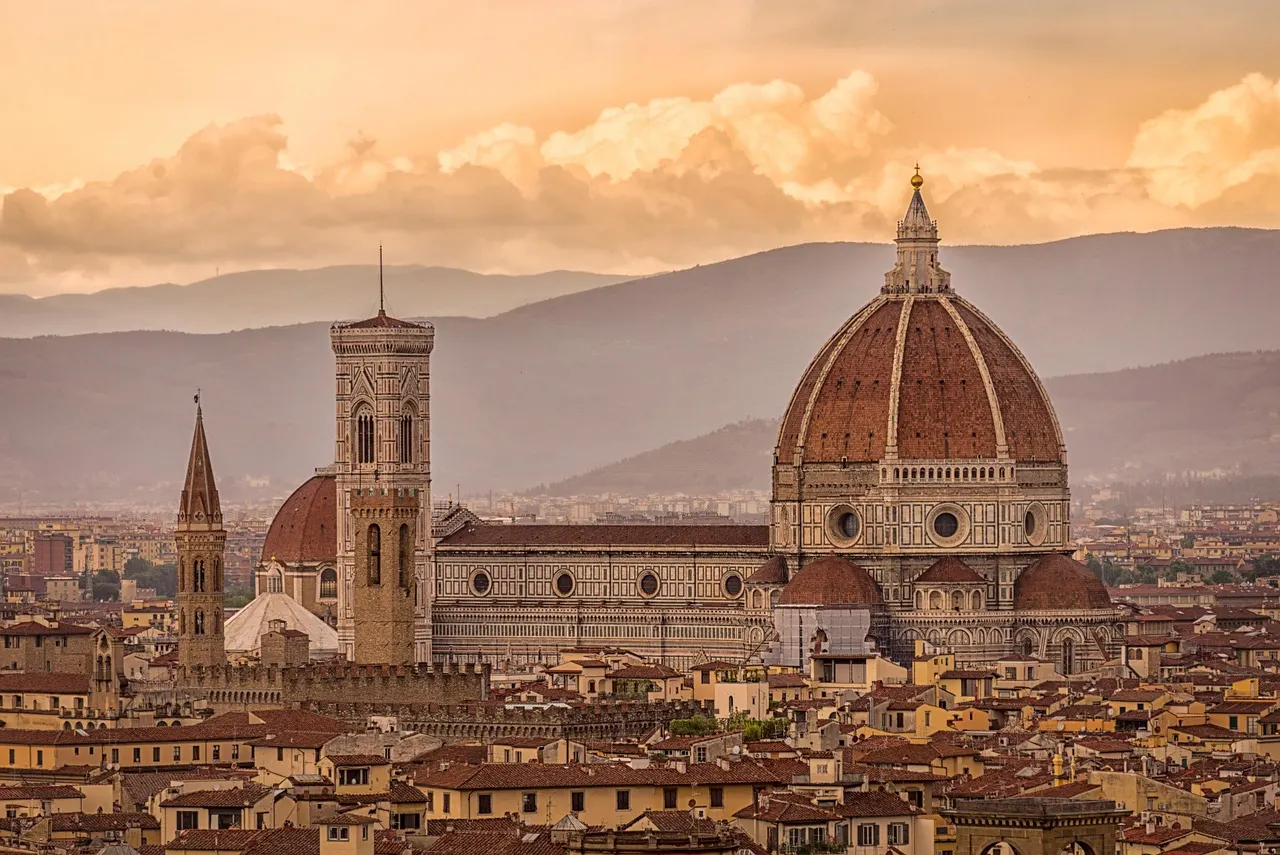
London City has around 30 direct routes, nearly all in Europe and most with British Airways. Here's what flies, which routes are summer or ski-season only, and how to pick one.
Put it on standby with the rest of your family's ideas. Everyone spreads their points in secret, gets one veto, and the draw picks where you go.