Holidays in Fuerteventura
Endless golden beaches, sand dunes and turquoise lagoons on the windiest, wildest Canary Island. Here's what Fuerteventura is like, when to go and how long to stay.

The Canary Islands are part of the EU, and new entry checks are coming in, so check the rules on GOV.UK before you book.
Temperatures are the average daytime high in °C.
Fuerteventura is warm all year, which makes it a favourite for winter sun, with highs of about 20 to 22°C from November to March. Summer is warm rather than scorching, but the trade winds blow hard in July and August, which is great for kitesurfers. September and October bring the warmest sea and calmer days.
A natural park of rolling white sand dunes running down to the sea, just south of Corralejo.
A huge tidal lagoon on the Jandía coast, with shallow water and world-class windsurfing.
A short ferry from Corralejo to a protected island with a volcano walk and a calm swimming bay.
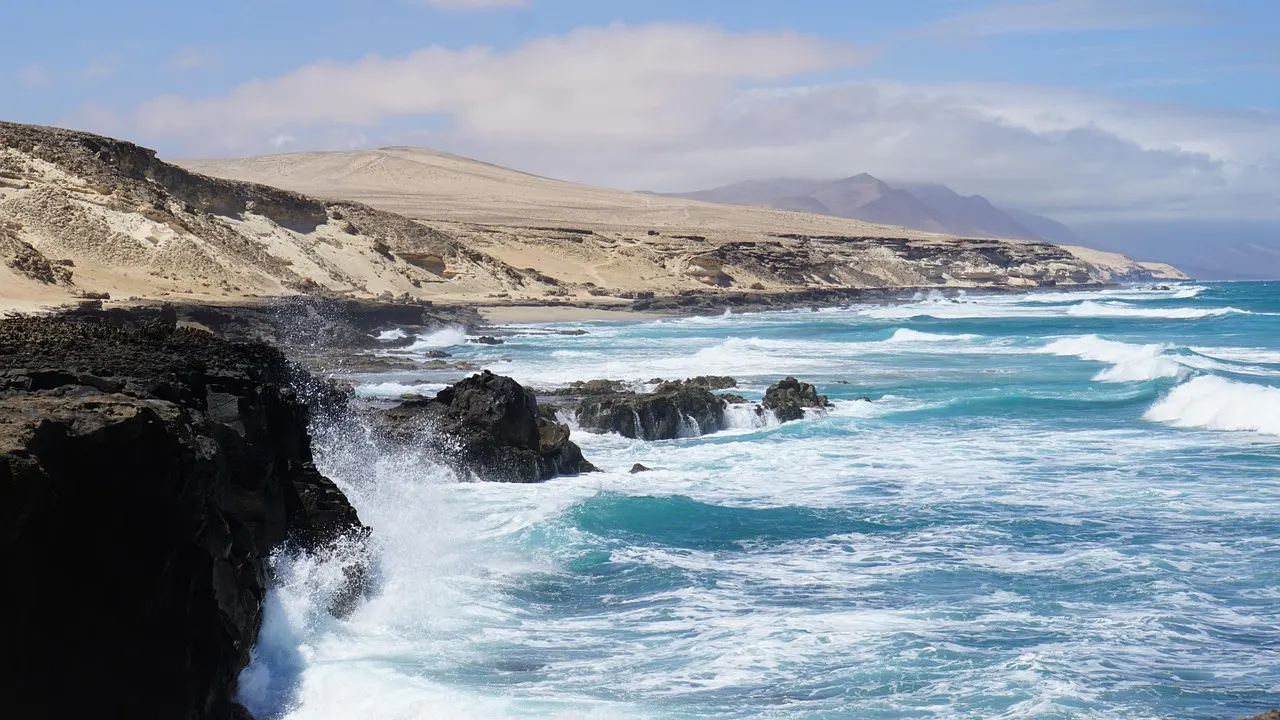
A wild, empty beach under steep mountains, reached by a rough track. Too rough for swimming.
The island's old capital, a tiny village of white houses in the hills.
Surf schools in Corralejo and El Cotillo teach beginners on gentler beaches.
Yes, it's one of the warmest places within easy reach of the UK in winter, with sunny days around 20 to 22°C.
It can be, especially in summer, which is why it's popular for windsurfing. Sheltered beaches and the lagoons help on breezy days.
Corralejo in the north has the dunes, ferries and a lively town. Jandía in the south has long beaches and quieter resorts.
About four to four and a half hours from most UK airports.
Put Fuerteventura on standby with everyone's other ideas. You each spread your points in secret, get one veto, and the draw picks where you go.