The short answer
The aurora season in Tromsø runs from about September to early April. For the best mix of dark skies, activities and weather, aim for late September to mid-October or late January to March.
December and early January have the most darkness, which sounds ideal. But the coast is often cloudy then, and the polar night means there's little daylight for anything else. Whenever you go, stay at least three nights, so one cloudy night doesn't ruin your chances.
Why Tromsø is so good for the aurora
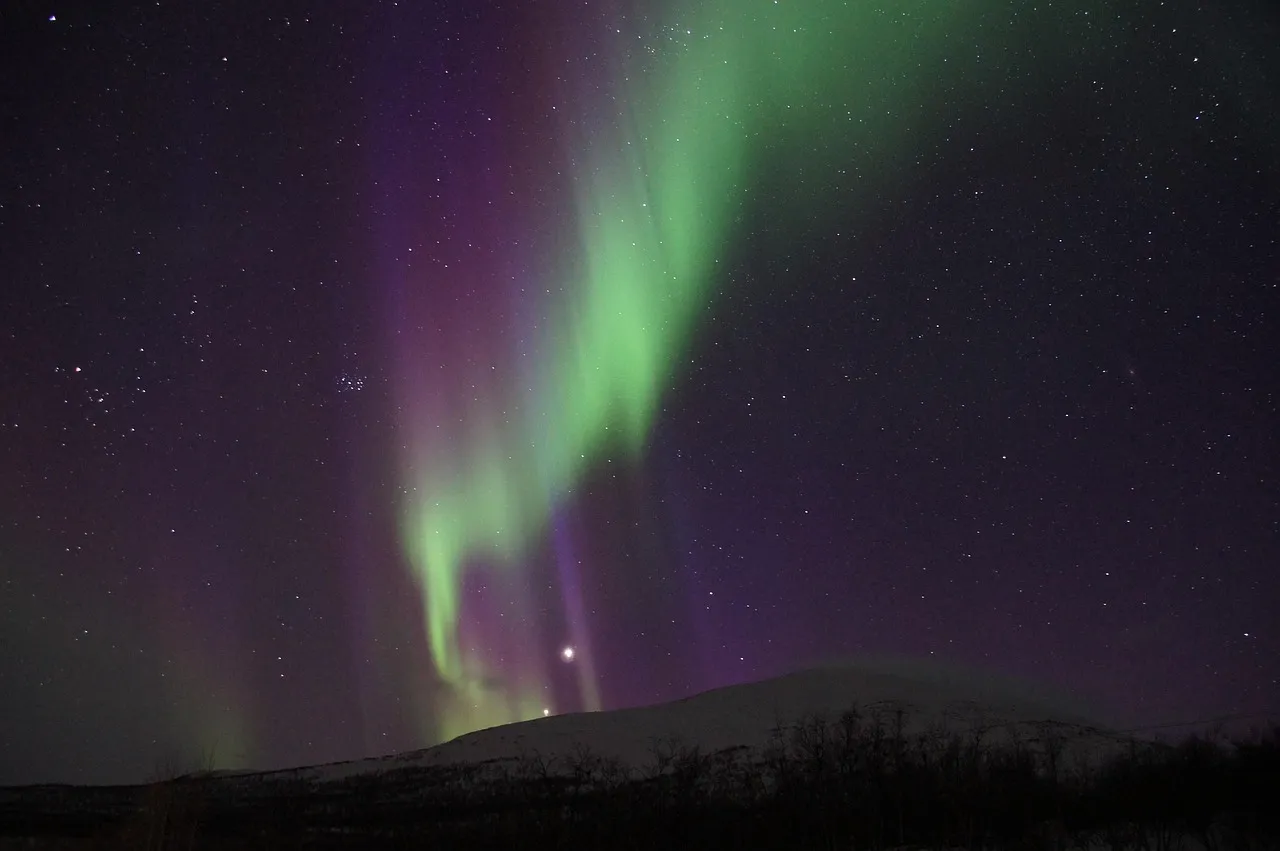
Tromsø sits about 350km north of the Arctic Circle, right under the auroral oval, the ring around the North Pole where the northern lights are most common. That means you can often see them even when activity is only moderate. On a clear night, they can appear right over the city.
The real problem is cloud, not the lights themselves. Tromsø is on the coast, and weather blows in off the Atlantic. That's why most aurora tours are "chases": guides check the forecasts and drive inland, sometimes all the way to the Finnish border, to find clear skies.
Month by month
- September and October: the season starts. Nights are dark enough by late September, and the autumn equinox is often a lively time for the aurora. It's not yet very cold, and you can see the lights reflected in unfrozen lakes and fjords. There's no snow in the city yet.
- November: dark, damp and often cloudy, with the polar night starting near the end of the month. It's usually cheaper than December.
- December to mid-January: the polar night, when the sun stays below the horizon from about late November to mid-January. You still get a few hours of blue twilight around midday. Christmas is festive but busy and pricey.
- Late January to March: the sun returns, days lengthen quickly, and there's plenty of snow for husky sledding and snowshoeing. Many visitors find this the best all-round time. The spring equinox in March is another active period for the aurora.
- Early April: the last chance before the nights get too light.
What time of night?
The aurora can appear any time it's dark, but local guides say the most common hours are about 6pm to 1am, with a peak around 10pm to 11pm. Check the aurora forecast and the cloud forecast each afternoon, and be ready to head out.
It helps to get away from city lights. Even a short bus or taxi ride out of the centre makes the lights look much brighter. A guided chase gives you the best chance on a cloudy night, because the guide's job is to find a gap in the weather.
How many nights?
Three nights is a sensible minimum, and four or five is better. The aurora depends on solar activity, and seeing it depends on clear skies. Neither can be predicted more than a day or two ahead.
With several nights, you can keep one free for a tour when the forecast looks good, rather than booking a fixed night in advance. Fill your days with other things: husky sledding, whale watching in the right season, the cable car up Mount Storsteinen and the Arctic Cathedral.
What to pack
Tromsø's coastal climate is milder than you might expect for somewhere so far north, but aurora watching means standing still outside at night, often for hours. Layers matter more than one big coat. Bring a thermal base layer, a fleece or wool mid layer, and a windproof outer layer, plus warm trousers or salopettes. Thick wool socks, insulated waterproof boots, a hat that covers your ears, and two pairs of gloves (thin ones for using your phone or camera, thick ones over the top) make the biggest difference.
Microspikes or ice grips for your boots are worth having, as Tromsø's pavements are often icy. A head torch with a red light setting helps you see without ruining everyone's night vision. Many aurora tours lend out thermal suits and boots, so check what yours includes before you buy anything special.
What it's like in winter
Thanks to the Gulf Stream, Tromsø is milder than you might expect. Winter days usually sit around freezing or a few degrees below, much warmer than inland Lapland. But aurora tours take you inland, where it can be far colder, often -15°C or below at night.
Wear proper thermal layers, a warm hat, mittens and boots with a good grip. Most tour operators lend thermal suits for the evening. Hotels and flights fill up early for Christmas and February half term, so book well ahead for those dates.
Tromsø or somewhere else?
If you're weighing up Tromsø against Finnish Lapland, our post on Tromsø or Rovaniemi compares the two. Inland places like Kiruna and Abisko in Sweden or Saariselkä in Finland are often clearer, but colder. For a mix of lights and dramatic coast, look at the Lofoten Islands.
Our Tromsø guide covers where to stay and what to do. If you'd like to fly direct, our guide to where you can fly direct from Glasgow includes Tromsø. If your group can't decide between the Arctic and somewhere warm, our guide to how to decide where to go on holiday can help.