What fits in four days, and what doesn't
Iceland's famous Ring Road is about 1,300 km long. Driving it properly takes a week at the very least, so in four days, forget it. Instead, base yourself in Reykjavik and do day trips. That way you unpack once, and the best-known sights are all within reach:
- The Golden Circle: a geyser, a huge waterfall and the rift between two tectonic plates.
- The south coast: two famous waterfalls and a black sand beach.
- A geothermal lagoon, ideally on your first or last day.
- Reykjavik itself, which is small enough to see in half a day.
Flights from the UK take around three hours, so you can fly out in the morning and have most of the first day there. Keflavík airport is about 45 to 50 minutes from Reykjavik by road, and airport buses meet most flights.
Day 1: arrive, lagoon and Reykjavik
Keflavík airport is on the Reykjanes peninsula, so it makes sense to go to a lagoon on the way into town. The Blue Lagoon is close to the airport, but volcanic eruptions nearby have closed it several times in recent years, so check it's open before you book. Sky Lagoon, on the edge of Reykjavik, is a good alternative and easier to fit in on any day.
Spend the evening in the city. Walk up to Hallgrímskirkja, the rocket-shaped church, and ride the lift up the tower for the view over the colourful roofs. Eat early: restaurants are expensive, and booking ahead helps at weekends.
Day 2: the Golden Circle
The Golden Circle is a loop of roughly 250 to 300 km from Reykjavik, and it's an easy full day by tour or hire car. The three main stops:
- Þingvellir National Park, where you can walk through the rift between the North American and Eurasian plates.
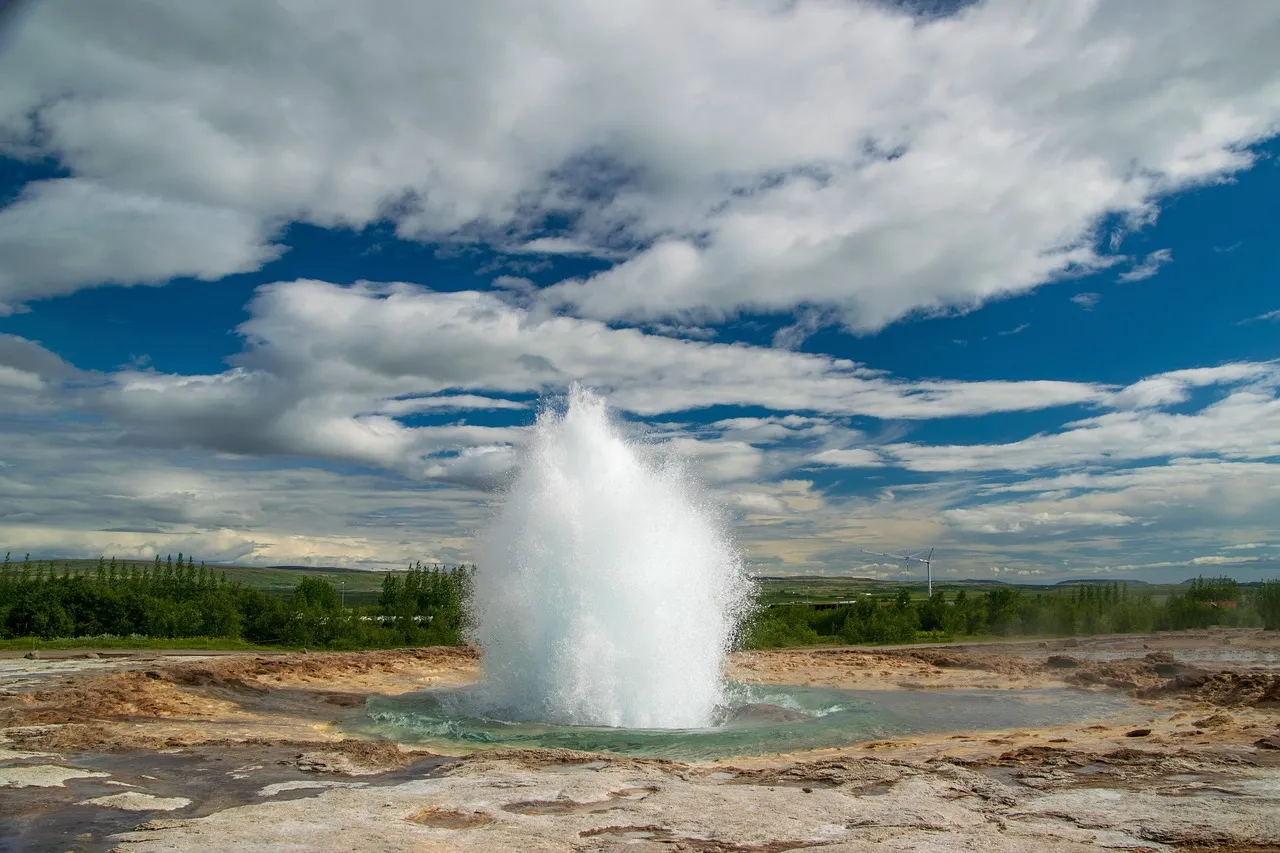
- Geysir, where the Strokkur geyser erupts every few minutes, so you won't wait long.
- Gullfoss, a huge two-tier waterfall that's spectacular frozen in winter.
If you have time, add the Kerið crater lake or a warm soak at one of the smaller geothermal pools on the way back.
Day 3: the south coast
The south coast is a longer day, about 180 km each way to the village of Vík, but it has some of Iceland's most famous sights:
- Seljalandsfoss, a waterfall you can walk behind in summer (the path can be closed or icy in winter).
- Skógafoss, a wide, thundering waterfall with steps up the side.
- Reynisfjara, the black sand beach near Vík, with basalt columns and sea stacks.
Reynisfjara's waves are genuinely dangerous: sneaker waves can reach far up the beach without warning, and people have died there. Stay well back from the water, and never turn your back on the sea.
In winter, many tours to the south coast include a glacier walk on Sólheimajökull, which is worth it if you've never stood on a glacier.
Day 4: whales, the city or a last soak
Keep the last day light, especially if you fly home in the afternoon:
- Whale watching from Reykjavik's old harbour, with puffins on summer trips.
- Perlan, for its ice cave exhibition and a viewing deck over the city.
- A last swim in one of Reykjavik's public geothermal pools, which locals use all year and cost far less than the big lagoons.
If you'd rather pack in one more day trip, the Snæfellsnes peninsula, north of Reykjavik, is a quieter alternative to the south coast, but it makes a long day.
Winter or summer?
The plan above works in both, but the experience is very different.
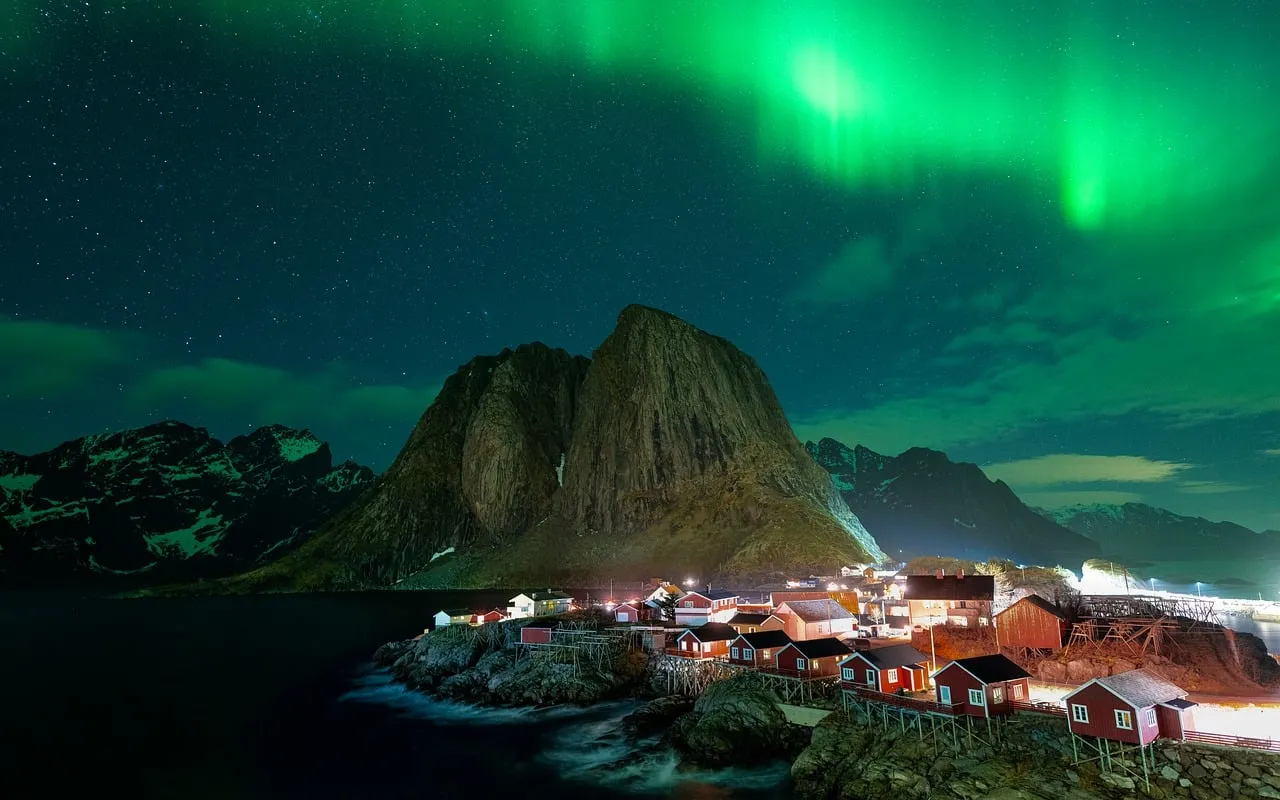
Winter (roughly October to March) brings the chance of the northern lights on clear, dark nights, snowy landscapes and frozen waterfalls. The catch is the daylight: around the shortest day in December, there are only about four to five hours of it, so day trips start in the dark. Roads can be icy or closed, and the weather changes fast.
Summer (June to August) has almost endless daylight, puffins, the easiest driving and the most open roads. There's no chance of the northern lights, as it never gets properly dark, and it's the busiest and most expensive time.
September and March are a good compromise: there's a chance of the lights, and the days are longer than in midwinter.
Should you drive or take tours?
In summer, hiring a car is easy and gives you the most freedom. In winter, unless you're confident driving on snow and ice, small-group tours are the safer choice, and the guides know where to look for the northern lights.
If you do drive in winter, check road conditions on road.is and safety warnings on SafeTravel every morning, and don't follow your sat nav onto mountain roads, many of which are closed outside summer.
Iceland is expensive. Tours, food and drink all cost noticeably more than in the UK, so it's worth deciding on your two or three big experiences in advance and keeping the rest simple.
Is four days enough?
For a first visit focused on Reykjavik, the Golden Circle and the south coast, yes. Five nights gives you a spare day for bad weather, which in winter is a real advantage, and a better chance of a clear night for the aurora.
If the northern lights are the main reason for going, compare Iceland with Tromsø and Lofoten in Norway, or read our Tromsø or Rovaniemi comparison. For more short trips, see our nature holidays and where to go in January.