Holidays in Colombia's Coffee Region
Green hills of coffee farms, colourful mountain towns and a valley of giant wax palms in Colombia's Andes. Here's what Colombia's Coffee Region is like, when to go and how long to stay.

You'll need a plug adaptor. Colombia's entry rules and the online Check-MIG form can change, so check GOV.UK before you book.
Temperatures are the average daytime high in °C.
The weather is mild all year, with highs around 21 to 23°C and cool nights. The drier spells, December to February and June to August, are the best for walking in the Cocora Valley. April, May, October and November are the rainiest, with heavy afternoon showers.
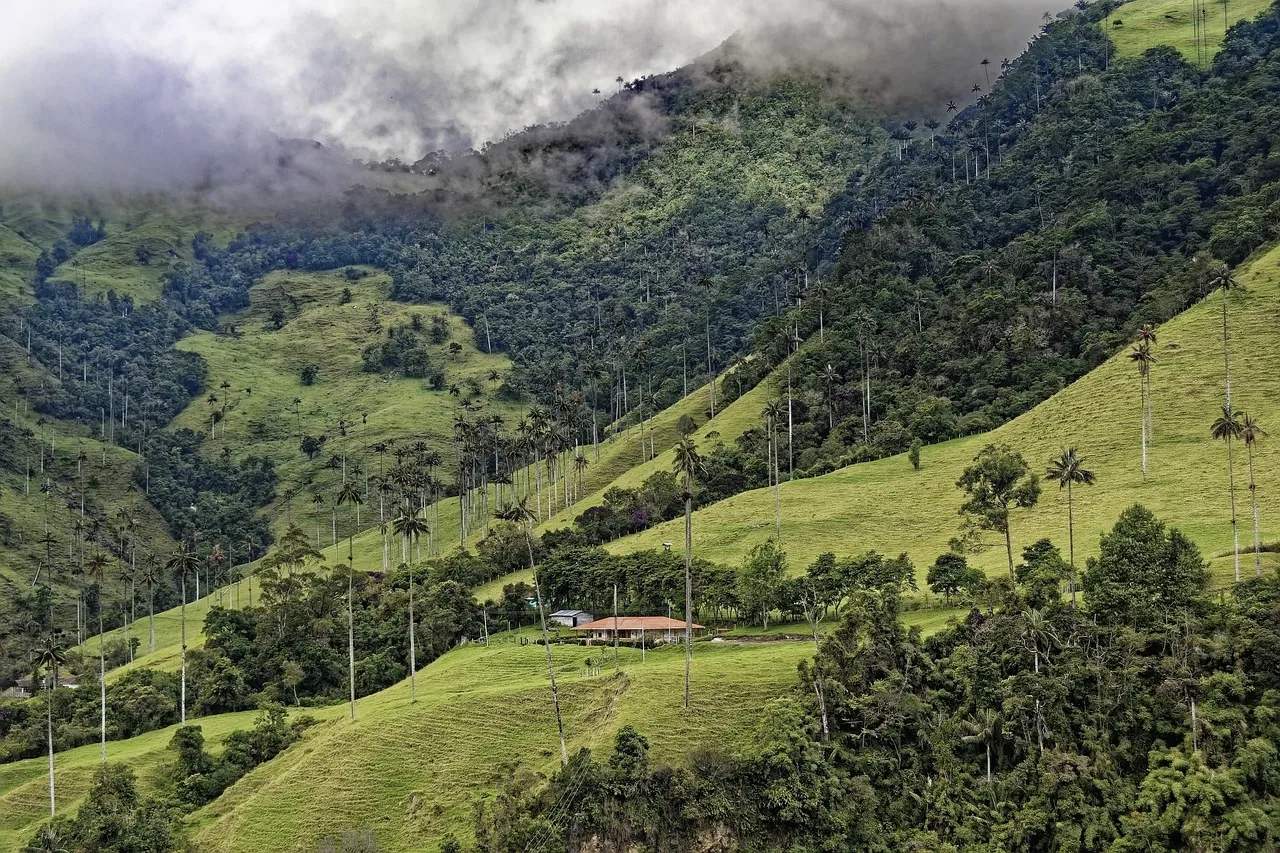
Walk among the wax palms, Colombia's national tree, which grow up to 60 metres tall on the misty hillsides.
A small, colourful mountain town with painted balconies, craft shops and a lookout over the valley.
See how coffee is grown, picked and roasted on a family farm, then taste it fresh.
A quieter hill town with bright wooden houses and a tall lookout tower over the coffee hills.
Soak in thermal pools in the forest near Santa Rosa de Cabal.
Ride in the old Willys jeeps that still serve as local taxis between the towns and the Cocora Valley.
Fly to Bogotá, then take a short domestic flight to Pereira or Armenia. Salento is about an hour by road from either airport.
Three or four days covers Salento, the Cocora Valley and a coffee farm. Add more to see Filandia and the hot springs.
It's one of Colombia's most visited areas and generally calm for tourists. Check the latest FCDO advice for Colombia before you travel.
December to February and June to August are usually the driest, with the best chance of clear views of the palms.
Put Colombia's Coffee Region on standby with everyone's other ideas. You each spread your points in secret, get one veto, and the draw picks where you go.