The short answer
- QuietestJanuary and February
- Quiet and milderNovember
- BusiestEaster to October
- Worst day at the Vaticanthe free Sunday
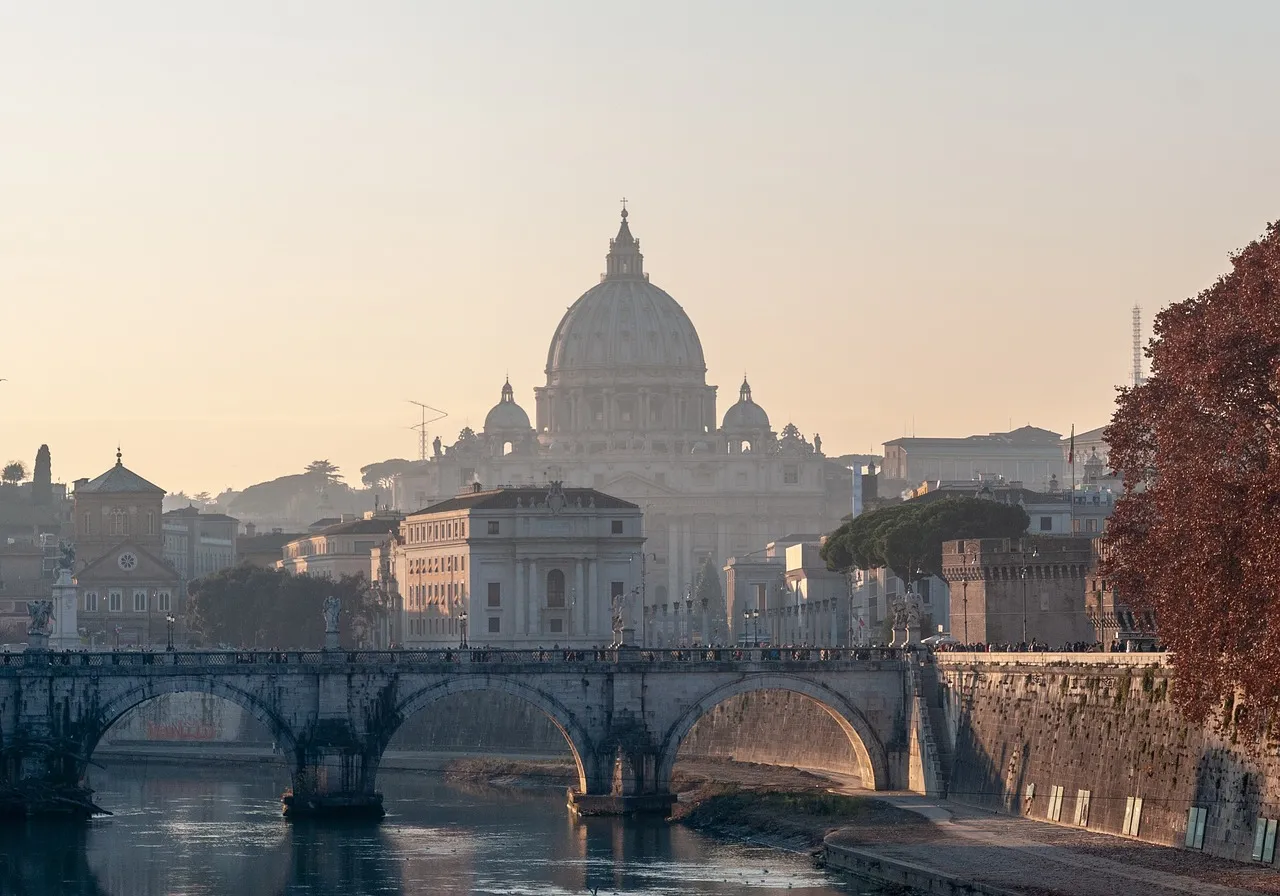
Rome is never empty, and the big sights have queues all year. But in winter you'll share the Sistine Chapel and the Colosseum with far fewer people, and hotels are at their cheapest. The trade-off is shorter days and cooler, sometimes wet weather.
Rome month by month
| Months | Crowds | Typical high | Good to know |
|---|---|---|---|
| January to February | Lowest | 12-13°C | Cheapest hotels, except New Year |
| March | Rising | 16°C | Busy around Easter, which is 28 March in 2027 |
| April to June | High | 19-28°C | Peak season for groups and city breaks |
| July to August | High | 31°C | Very hot; many locals leave in August |
| September to October | High | 22-27°C | Popular for the warm, settled weather |
| November | Low | 17°C | Quiet, but the wettest month |
| December | Mixed | 13°C | Quiet early on, busy at Christmas |
The temperatures are average daytime highs from our Rome guide.
January and February: the quietest months
Once the Christmas and New Year visitors go home, after Epiphany on 6 January, Rome has its quietest weeks of the year. Hotels drop their prices, and at the Vatican Museums or the Borghese Gallery you'll often have room to stand and look.
It's cool rather than cold, at about 12 to 13°C by day, with plenty of bright, clear days between the rain. Evenings are chilly, and the sun sets at about 5pm in January, so plan the outdoor sights, like the Forum and the Palatine, for the middle of the day and save museums for later.
November: quiet and milder
November is almost as quiet as January, but warmer, at about 17°C. It's the wettest month, though, so expect some showery days and pack an umbrella. The upside is that autumn food is at its best, with new-season olive oil, artichokes and chestnuts.
Early December is quiet too, before Christmas. The city fills up around 8 December, a public holiday, and stays busy through the Christmas markets and New Year.
Days and times to avoid
Even in a quiet month, a few days are much busier than the rest:
- The last Sunday of the month: entry to the Vatican Museums is free, and the queues are the longest of the month. The museums are otherwise closed on Sundays.
- Wednesday mornings at St Peter's: the Pope's general audience is usually held then, so the basilica can be closed or busy.
- The first Sunday of the month: many state museums and sites, including the Colosseum, are often free, which brings big crowds.
- Saturdays: the busiest day for day-trippers and weekend breaks.
- Easter and Christmas: the busiest weeks of the year in Rome.
How to beat the crowds in any month
If you can only go in spring or summer, you can still dodge the worst of it:
- Book timed tickets for the Colosseum, the Vatican Museums and the Borghese Gallery, which needs a booking in any case.
- Start early: the first entry slot is the calmest at almost every sight.
- Visit St Peter's at opening time, before the tour groups arrive.
- Stay overnight in the centre, so you can walk the old streets in the evening when the day-trippers have gone.
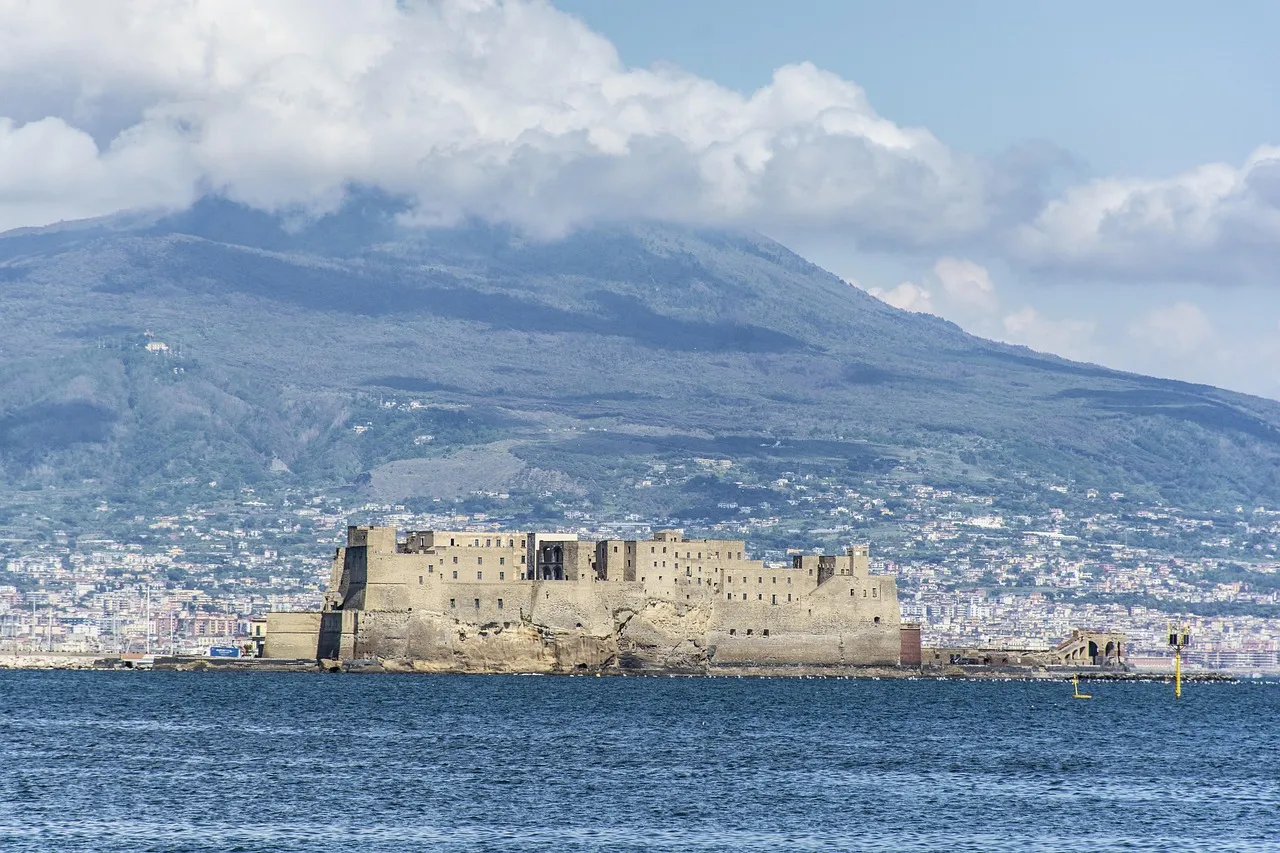
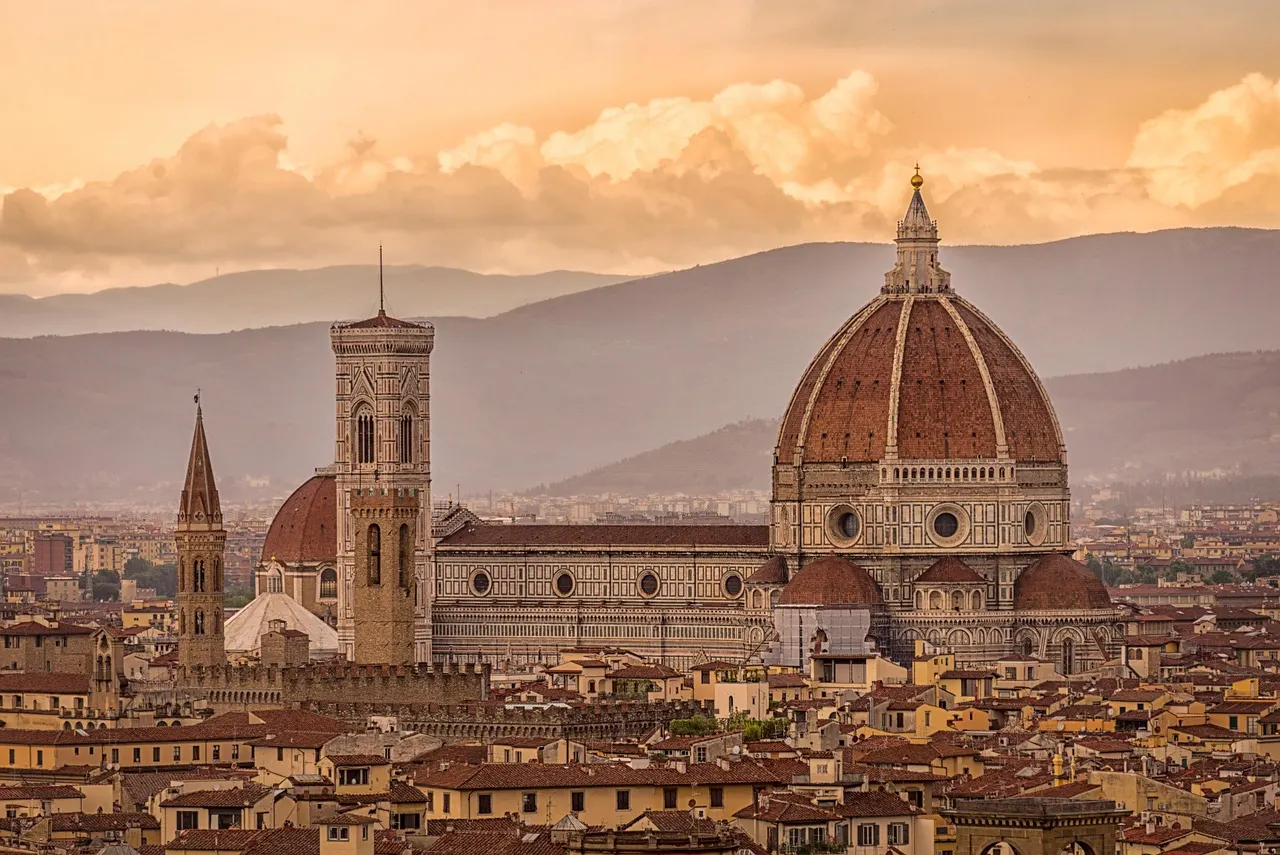
Or pair Rome with somewhere calmer. Naples is about an hour away by fast train, and Florence is about an hour and a half. Our quietest time to visit Venice post covers Italy's other crowded city.
Planning your trip
Rome is about 2½ hours from most UK airports, with direct flights all year to Fiumicino and Ciampino. It's an hour ahead of the UK. The holidays in Italy page has more ideas, and our city breaks page compares Rome with other short trips.
If you're torn between Rome and somewhere else for a winter break, add them all to somewhere.party and let the draw decide.