The short answer
- Daytime highsabout 18-19°C
- Nightsaround 3-7°C
- Sunshineabout 7-8 hours a day
- Raina few wet days at most
These are typical January averages from several climate sources, not a forecast, and the figures for nights vary more than any other. Check the forecast before you pack, because a cold spell can make the days cooler too.
January weather at a glance
| Month | Daytime high | What it's like |
|---|---|---|
| December | about 19°C | sunny days, cold nights, busy at New Year |
| January | about 18°C | the coolest month, often clear and sunny |
| February | about 20°C | warming up, busier at half term |
January is usually the coolest month in Marrakech, but it's also one of the clearest. Rain tends to come on just a handful of days, with roughly 30 to 35 mm over the month, so most days are dry and bright.
The big difference from summer is the temperature swing. A sunny 19°C afternoon can drop to single figures soon after sunset, and the medina's narrow lanes stay cool in the shade all day.
Is it warm enough for the pool?
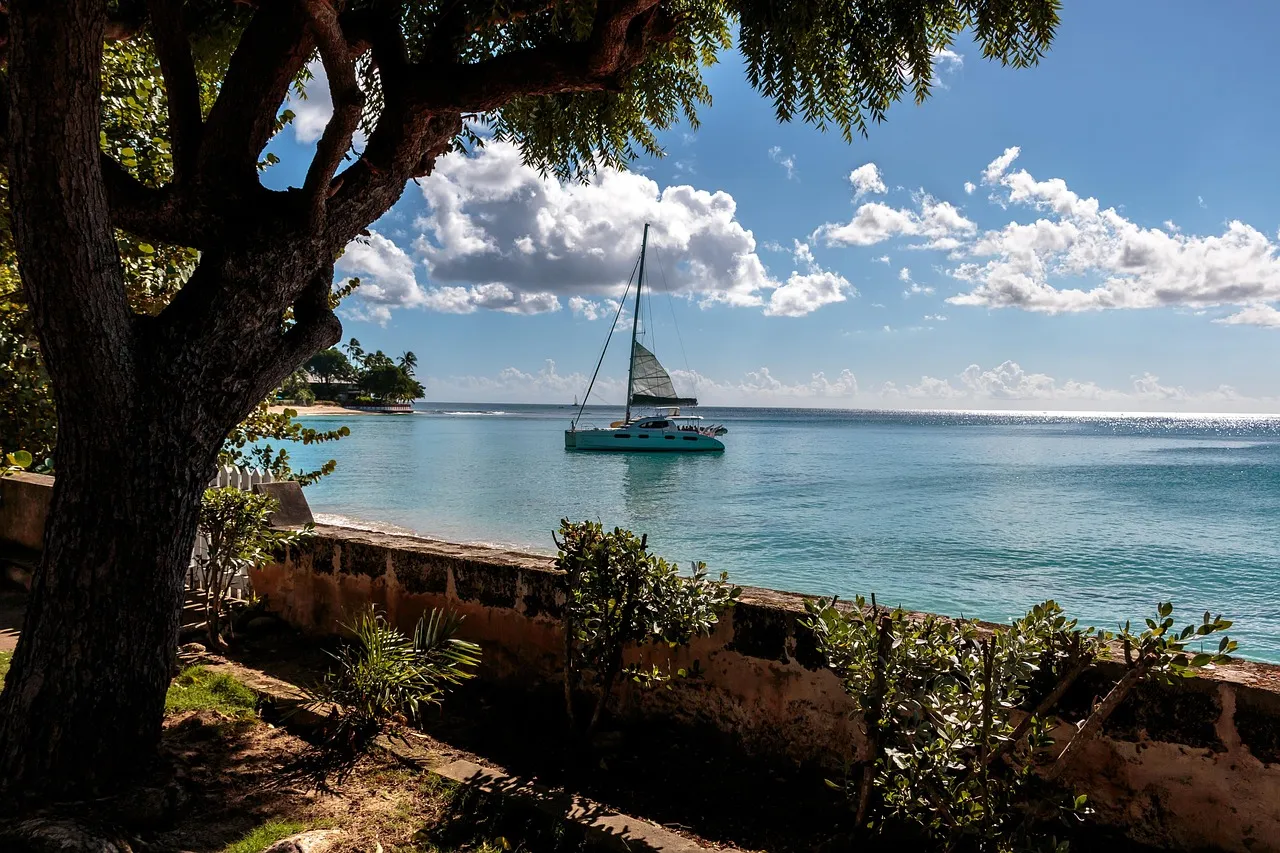
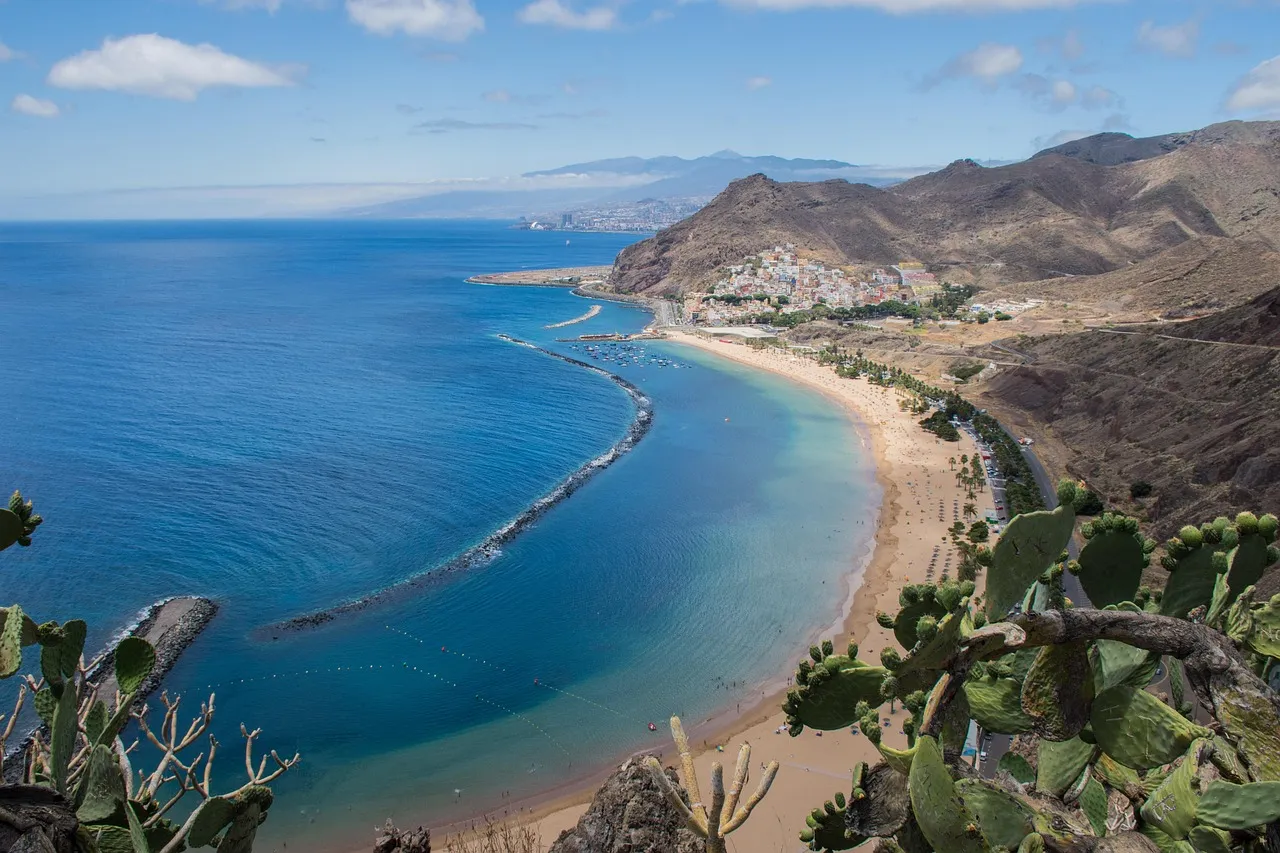
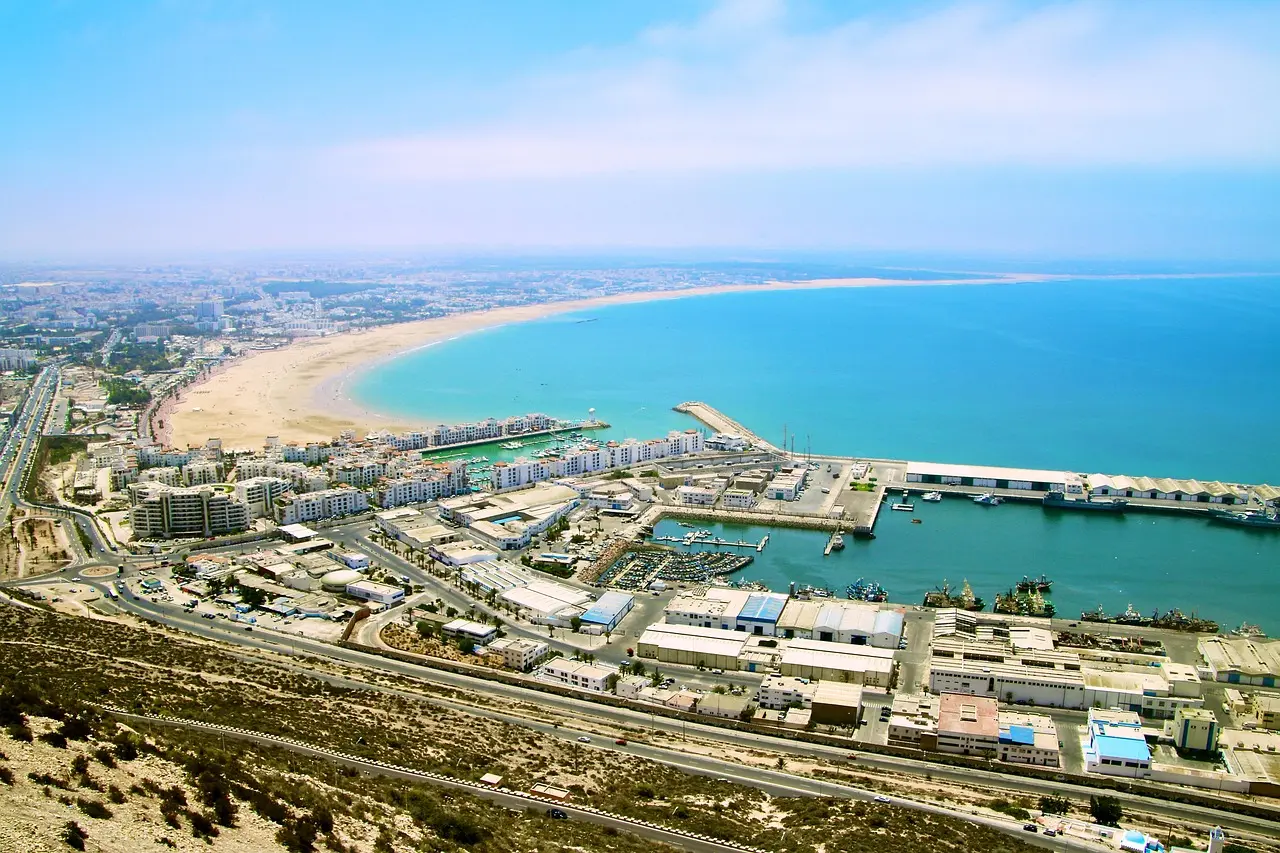
Not usually. At 18 to 19°C, January is pleasant for sitting in the sun, but most unheated riad and hotel pools are too cold for a proper swim. If a pool matters, look for a hotel or riad that says it heats its pool in winter, and check before you book. If beach and pool time is the point of the trip, these are better bets in January:
What to do in January
January is a great month for sightseeing, because it's comfortable to walk around all day without the summer heat:
- The medina and souks: easier to explore when it isn't 35°C in the lanes.
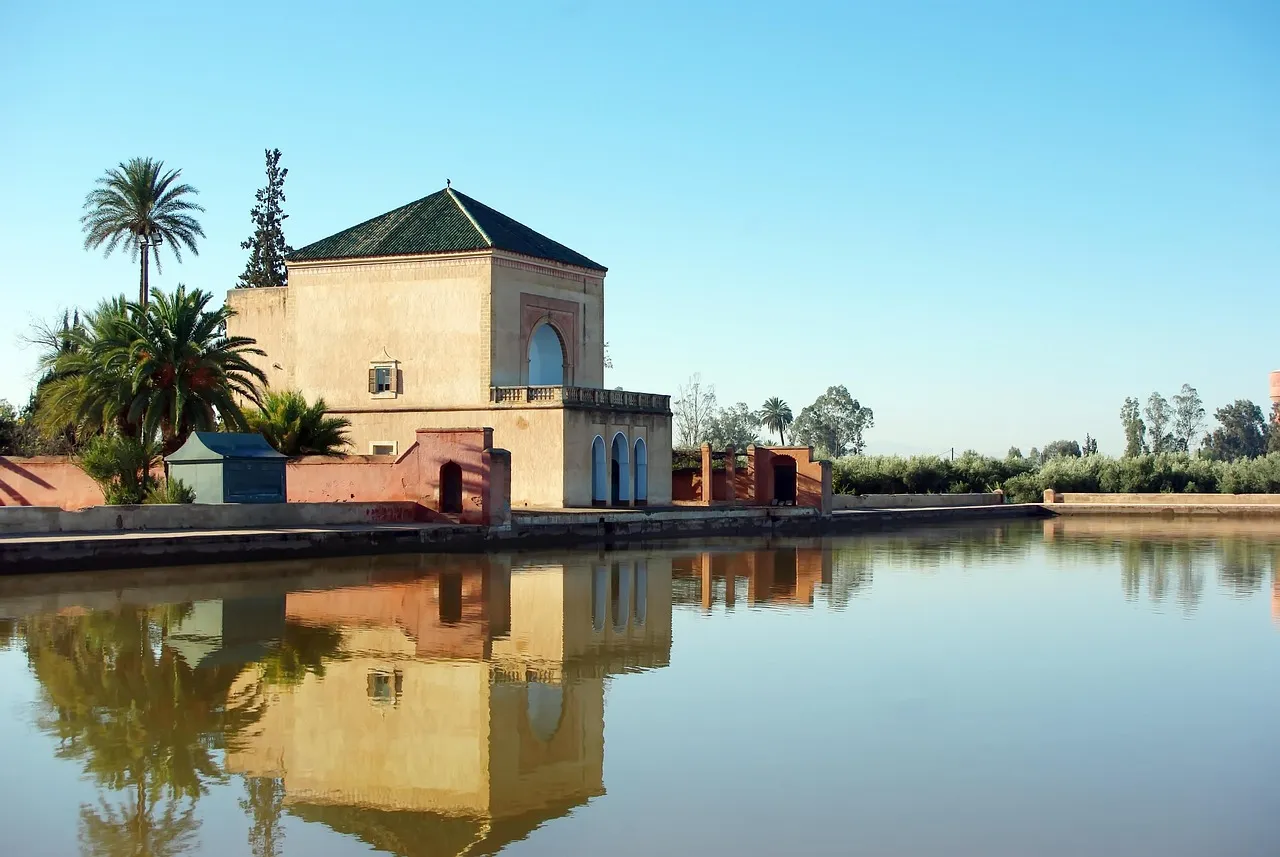
- Gardens: Jardin Majorelle and Le Jardin Secret are lovely in winter sun.
- The Atlas Mountains: the peaks are often snow-capped in January, and day trips to Imlil or the Ourika Valley are spectacular on a clear day.
- A hammam: the best way to warm up at the end of a cool day.
Our Marrakech in 3 days post has a full plan for a long weekend, and the Marrakech guide covers the main sights.
Staying warm at night
Riads are built to stay cool in summer, around an open courtyard, so they can feel chilly in January. Not all of them have good heating.
- Check the heating: look for reviews that mention warm rooms, or ask the riad before you book.
- Ask about extra blankets: most riads have them, and some have fireplaces in the lounge.
- Eat inside or by a heater: many restaurants put out heaters on their terraces in winter.
If you'd rather not risk a cold room, a modern hotel in the newer Hivernage area is more likely to have proper heating, and it's a short taxi ride from the medina.
What to pack
- Daytime: t-shirts and light layers, sunglasses and sun cream. The winter sun is still strong.
- Evenings: a warm jumper or fleece and a proper jacket.
- Mountains: a warm coat, hat and gloves if you're heading into the Atlas, where it can be below freezing.
- Shoes: comfortable, closed shoes for the uneven medina lanes.
- Modest clothes: covering shoulders and knees is respectful in the medina and essential in mosques and religious sites.
Getting there
- Flights: about three and a half hours from London, with direct flights from many UK airports in winter.
- Time difference: Morocco is usually an hour ahead of the UK in January. It changes its clocks for Ramadan, which in 2027 is expected to begin in early February, so check if your trip runs into February.
- Prices: January is often good value once the New Year week is over, and the weeks before February half term are among the quietest of the year.
Where else is warm in January?
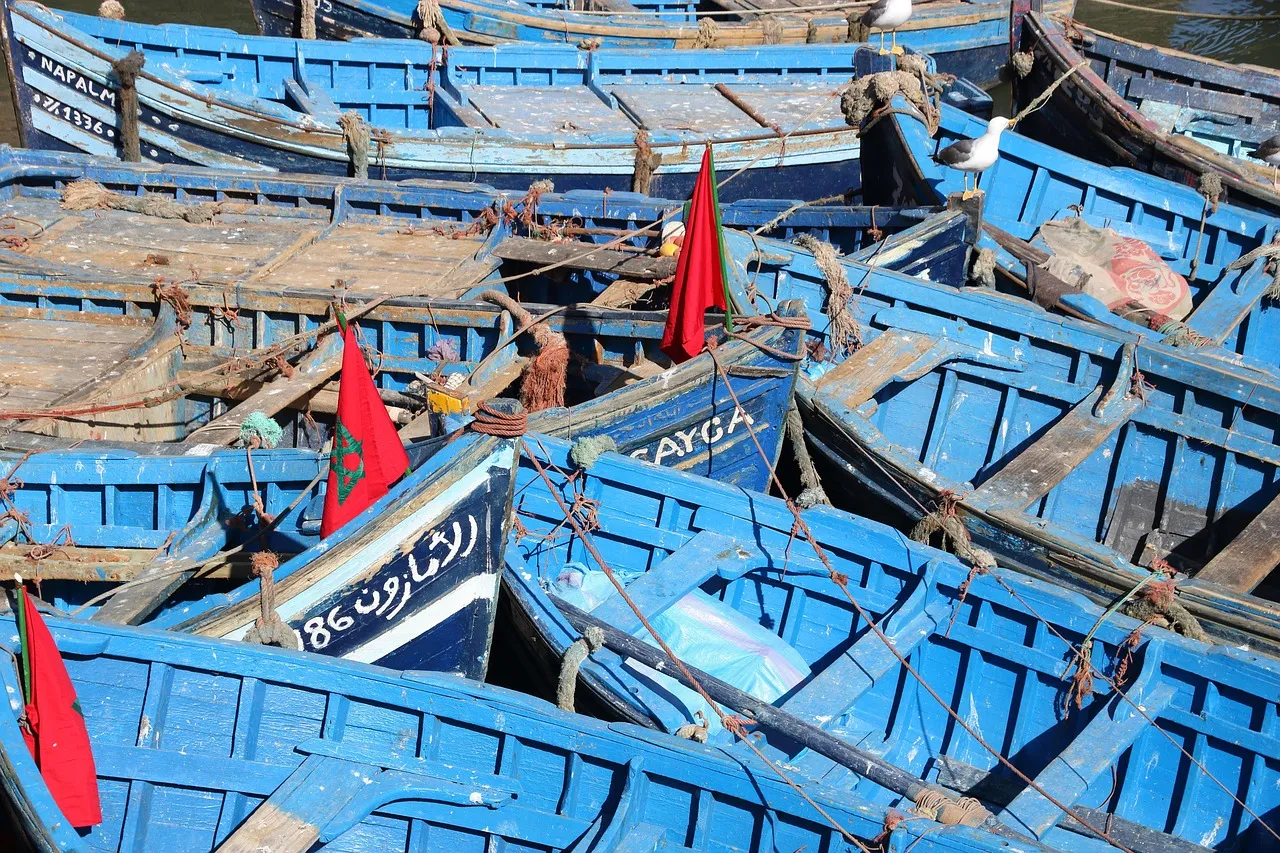
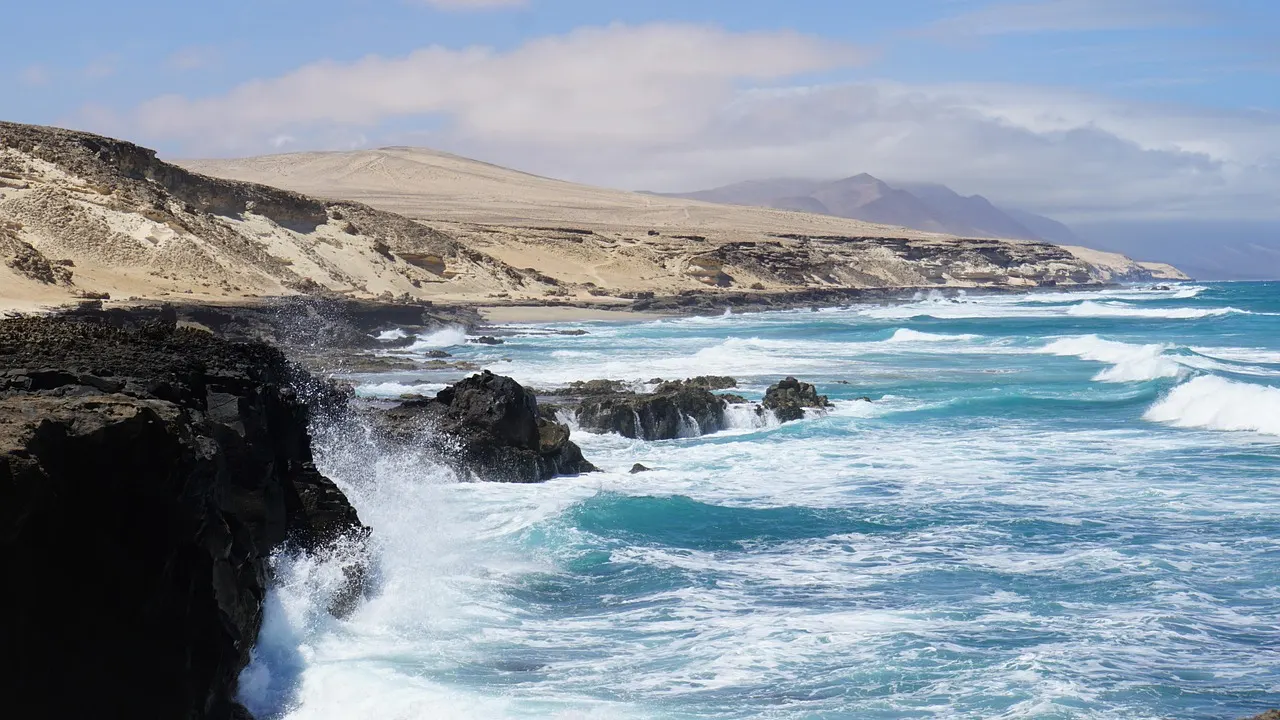
If you want warmer days, Agadir is about 20°C, and the Canaries are 20 to 22°C. Essaouira is a mild, breezy coastal town about 2½ to 3 hours away by road, and an easy add-on to a Marrakech trip. For more ideas, see where to go in January, or our winter sun with no jet lag post.
If you can't agree, add Marrakech and a couple of alternatives to somewhere.party and let the draw decide.