The short answer
- Short-haul2 hours before
- Long-haul3 hours before
- US flights3 hours or more
- Bags or a groupadd extra time
That's Dublin Airport's own guidance, checked in October 2026. Your airline sets the deadlines that actually matter, for check-in, bag drop and the boarding gate, and they're on your booking. Procedures change, so look at the airport's and your airline's current advice before you travel.
Which terminal?
Dublin has two terminals, and it's worth knowing which one you need before you set off, because they have separate security areas and separate drop-off points.
- Terminal 1 is used by Ryanair and many other short-haul airlines.
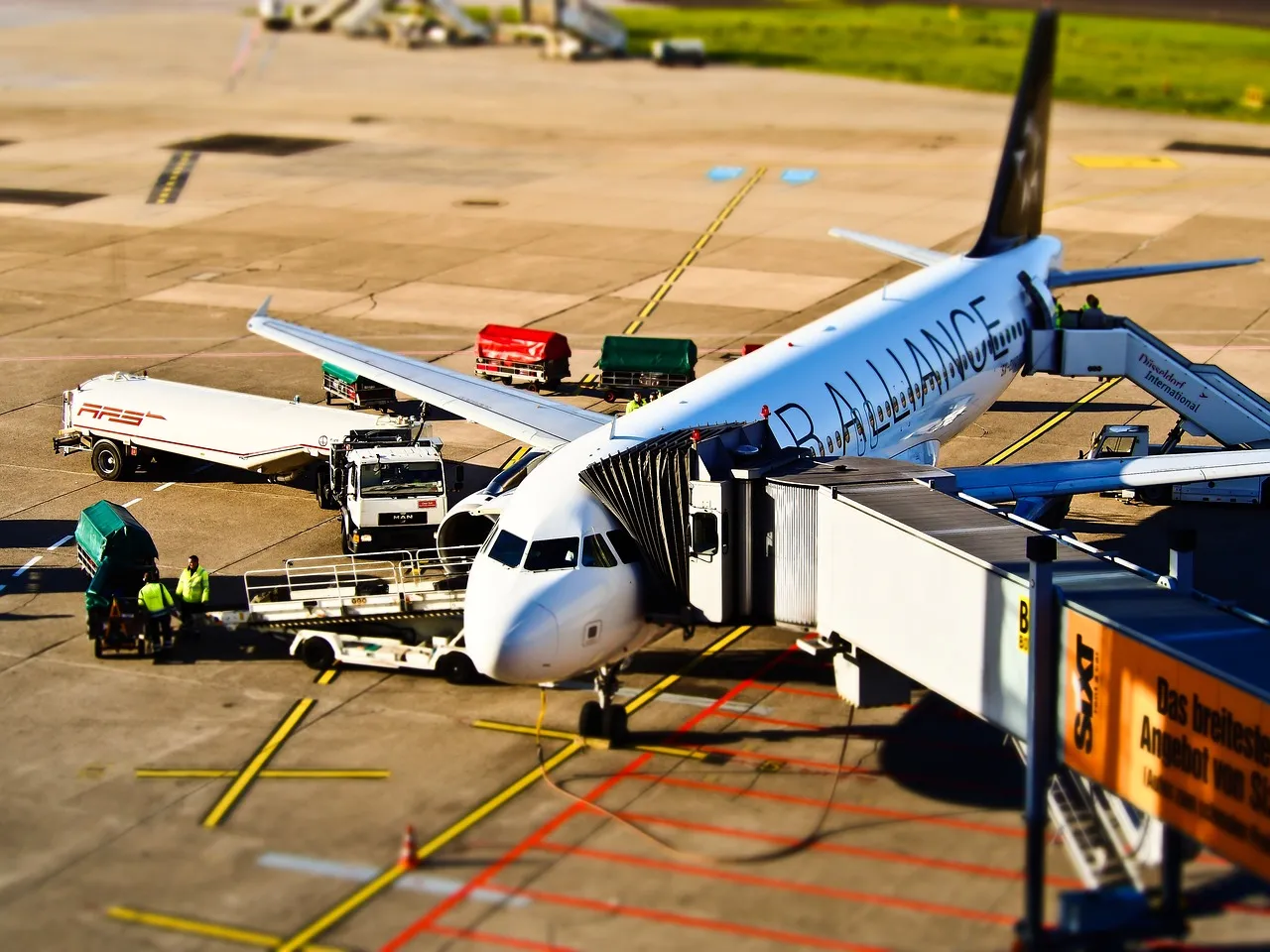
- Terminal 2 is Aer Lingus's home and has the US preclearance facility, so most flights to the United States leave from here.
Airlines do occasionally move, so check the terminal on your booking or in the airline's app the day before. The two terminals are a few minutes' walk apart, but getting dropped at the wrong one on a busy morning still costs you time.
According to the airport, security opens at 3am in Terminal 1 and 3.30am in Terminal 2 and stays open until the last departing flight. Turning up much earlier than that for a 6am flight won't get you through any faster.
Flying to the US: preclearance
Dublin is one of the few airports in Europe where you clear US immigration and customs before you fly. It means you land in the US as a domestic passenger and walk straight out, but it also means an extra set of checks in Dublin, after security and before the gate.
Make sure your ESTA or visa is approved well before you travel, and have your passport, boarding pass and the address you're staying at to hand.
How long to allow, worked out
Here's how the timings add up for a few common trips:
| Trip | Flight | Arrive |
|---|---|---|
| City break, hand luggage only | Midday on a Tuesday | About 2 hours before |
| Sun holiday, bags to drop | 6.30am in July | 2½ hours before |
| Long-haul to Dubai | Any time | 3 hours before |
| US flight, e.g. to New York | Any time | 3 hours or more before |
On a quiet midday flight, two hours leaves you plenty of time. July and August are Dublin's busiest months, and early mornings are the peak, when the first wave of holiday flights all leave at once. On top of that, bank holiday weekends and big match or concert weekends in Dublin make the queues longer.

Liquids and security
Dublin was one of the first big European airports to fit new CT-style scanners in both terminals. Since September 2025, according to the airport, liquids and gels can stay in your hand luggage, and the old 100ml limit doesn't apply to containers of up to two litres.
You still need to take off belts, jackets, hoodies and boots that come above the ankle, and empty your pockets into a tray.
Getting there
Dublin Airport has no train or tram, so it's road only:
- By coach or bus: Dublin Express and Aircoach run to the city centre, and several Dublin Bus routes stop at the airport. Early morning services are limited, so check the first one will get you there in time.
- By car: pre-booked parking is cheaper than turning up. The airport has had permission to charge for drop-off outside the terminals, so check the current arrangements, and the free drop-off point at the long-term car park, before you go.
- By taxi: allow extra time for the M50 and the Port Tunnel at rush hour.
If you're relying on the first coach of the day for an early flight, it's often worth booking a taxi instead.
Five ways to make the airport easier
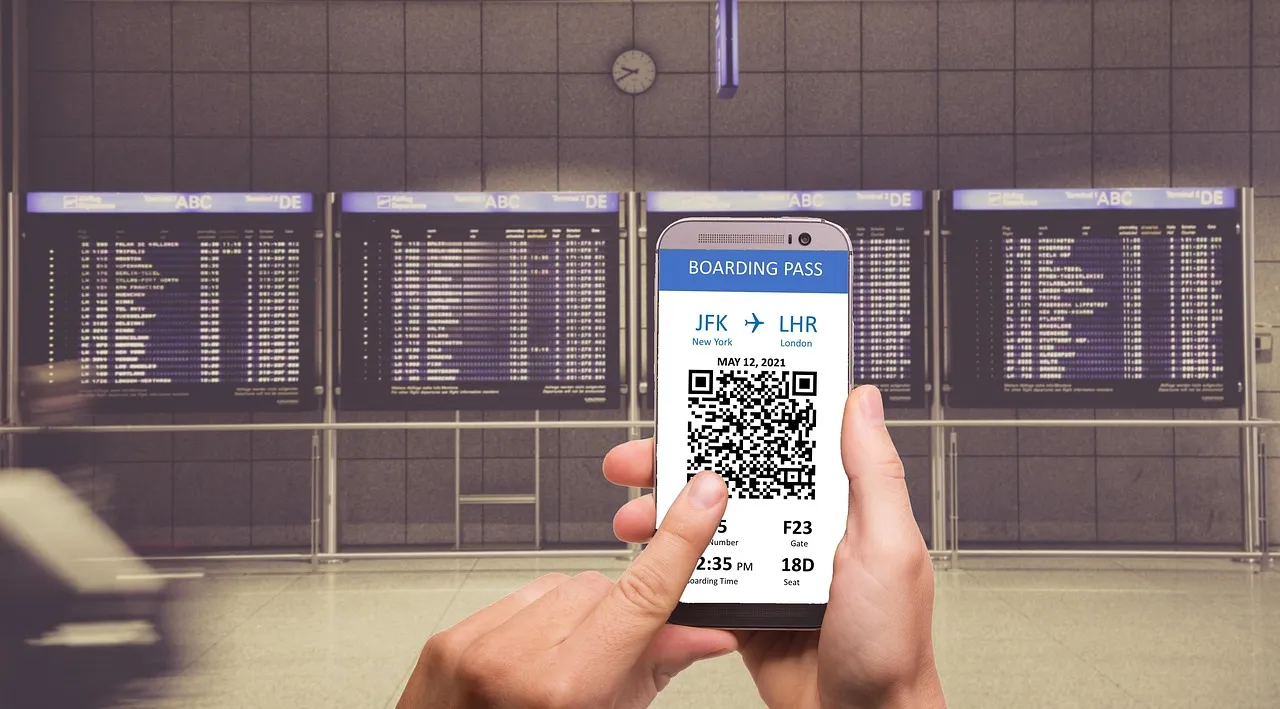
- Check in online as soon as it opens, and keep your boarding pass on your phone.
- Travel with hand luggage only if you can, so you can skip bag drop.
- Check your terminal the day before.
- Use Fast Track on a busy morning: Dublin sells it for both terminals, for a fee.
- Head to the gate early: some gates are a long walk from security, and they close before the published departure time.
Where could you go from Dublin?
Dublin has direct flights almost everywhere, from short hops to Lisbon and Barcelona to winter sun in Lanzarote and long-haul to New York. The city breaks and beach holidays pages are good places to start.
If you're stuck choosing as a family or group, read our guide to deciding where to go on holiday, or put everyone's ideas into a draw and let it decide.