The short answer
Both have cheap direct flights from many UK airports, and both work well for a long weekend.
The markets
Budapest has two main markets, and both were expected to open on 13 November 2026:
- Vörösmarty Square, the oldest, with craft stalls, food and mulled wine. It usually runs until about the end of December, with the craft stalls closing a few days earlier.
- St Stephen's Basilica, with an ice rink around a Christmas tree and a light show projected on to the front of the basilica in the evenings. It usually runs into the first day of January.
Krakow's main market fills the Main Square (Rynek Główny), one of the largest medieval squares in Europe. When we checked, the 2026 dates hadn't been announced, but it usually runs from late November to 1 January. Expect wooden stalls selling grilled oscypek cheese, pierogi, sausages, mulled wine and handmade decorations, with St Mary's Basilica towering above.
In early December, Krakow also shows off its famous szopki: elaborate, glittering nativity scenes modelled on the city's churches. The tradition is on UNESCO's list of intangible cultural heritage.
Check official dates before you book, as both cities confirm them in the autumn.
What else there is to do
Budapest:
- Thermal baths. The outdoor pools at Széchenyi are open all year, and sitting in hot water as steam rises into the cold air is the highlight of a winter trip for many people.
- The Danube. Walk or take a short cruise past the Parliament building, which looks spectacular lit up at night.
- Buda Castle and Fisherman's Bastion for views over the river and the city.
Krakow:
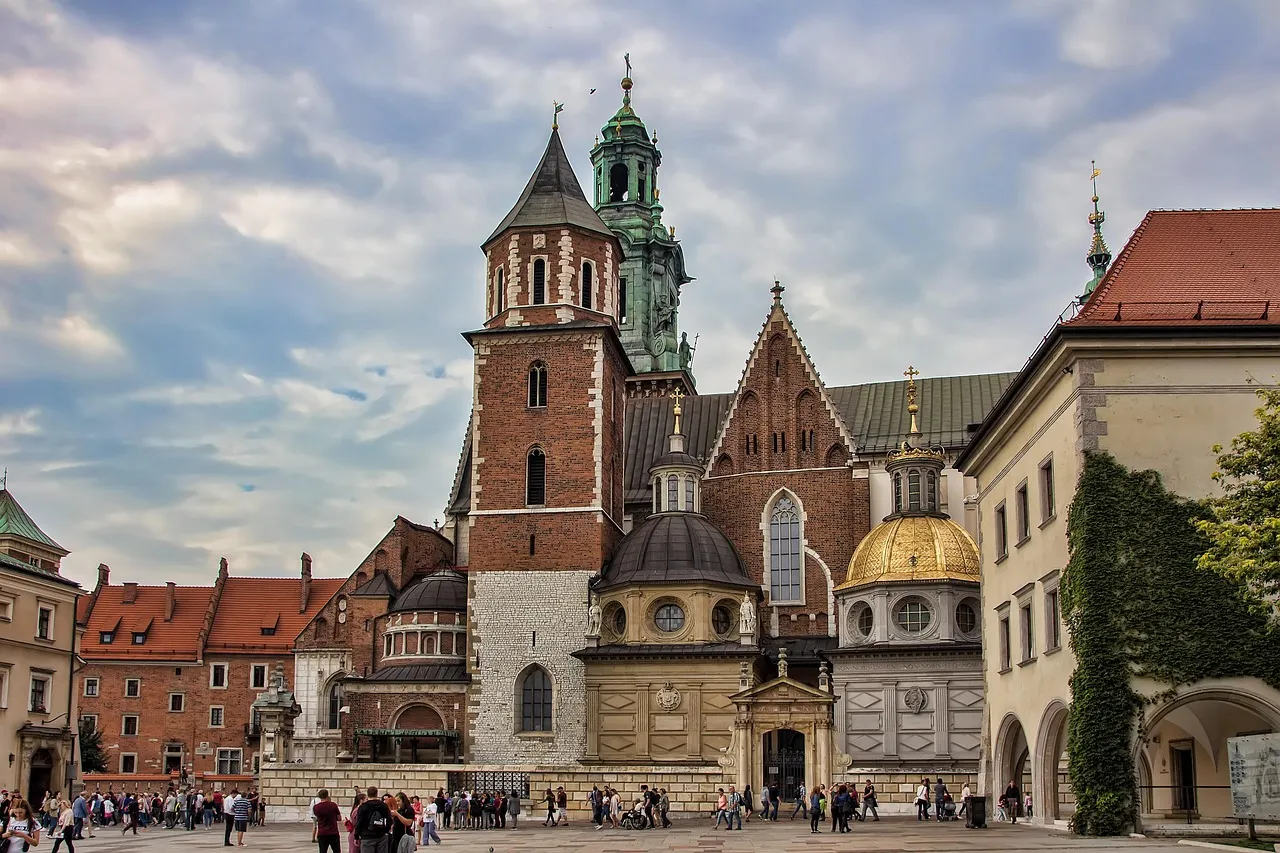
- Wawel Castle and Cathedral, on a hill above the river.
- Kazimierz, the old Jewish quarter, now full of cafés and bars.
- Wieliczka Salt Mine, a short trip from the city, with chapels carved from salt deep underground.
- Auschwitz-Birkenau, about an hour and a half away. It's a sombre, important visit that takes most of a day, so plan it for a separate day from the markets.
Weather
Both are cold in December, and Krakow is usually a little colder:
- Budapest: daytime highs of around 3 to 5°C.
- Krakow: daytime highs of around 1 to 3°C, with frosty nights.
Snow is possible in both but not guaranteed. Pack a warm coat, a hat, gloves and shoes with a good grip, as cobbles get icy. If you want a better chance of snow, our guide to where to go for a white Christmas has colder options.
Cost
Both are good value compared with Western European Christmas markets like Vienna or Strasbourg. Krakow is usually the cheaper of the two, especially for eating out and drinks.
Hungary uses the forint and Poland the złoty, so you'll need a card without foreign transaction fees, or some local cash for market stalls. Many stalls take cards, but not all.
Hotels in both cities go up in price on December weekends, so book early or go midweek.
Getting there
There are direct flights to both cities from London and many regional UK airports, taking about two and a half hours. Krakow's airport is about 20 minutes from the city by train, and Budapest's is about 30 to 40 minutes by bus or taxi.
Our guides to where you can fly direct from Manchester and from Stansted list the routes from those airports.
Which one should you choose?
Pick Budapest if:
- You want a grander city with big views and more to do at night.
- The idea of an outdoor thermal bath in winter appeals.
- You'd like two different markets in one trip.
Pick Krakow if:
- You want the most traditional, cosy market atmosphere.
- Lower prices matter.
- You like a small, walkable old town and don't mind the cold.
If you're comparing more cities, our posts on Vienna or Prague at Christmas and the best Christmas markets in Europe cover the others. Our Christmas holidays page has more festive ideas.
Still can't agree? Add both to a shared list on somewhere.party, give them points, and let a draw decide. Our guide to how to decide where to go on holiday explains how.