Holidays in Zanzibar
Spice-scented Stone Town alleys, giant tortoises and white beaches on the Indian Ocean. Here's what Zanzibar is like with the family, when to go and how long to stay.

Zanzibar also charges a compulsory travel insurance fee for visitors. Check entry rules on GOV.UK before you book.
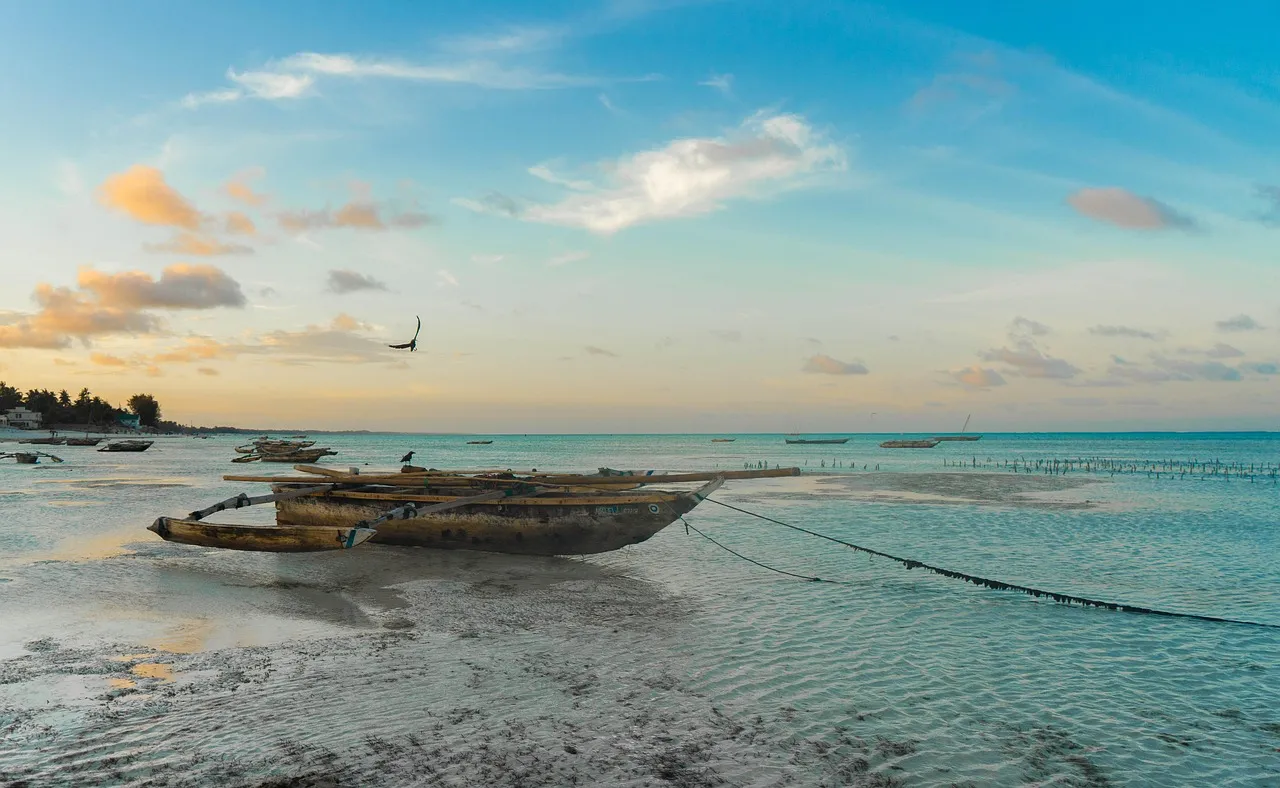
June to September is dry and breezy, and it pairs well with a mainland safari. January and February are hot and mostly dry too. The long rains fall from March to May, with April the wettest month, and there are short rains in November. On the east coast the tide goes out a long way, so pick your beach with care.
Get lost in the old town's narrow lanes, carved doors and markets.
A short boat ride to meet giant tortoises, some more than a hundred years old.
Walk among rare red colobus monkeys, found only on Zanzibar.
Smell, taste and touch cloves, cinnamon and vanilla on a working farm.
Snorkel among reef fish and look out for dolphins on the way.
Seafront food stalls each evening, with Zanzibar pizza and fresh sugar cane juice.
Yes, especially as a beach finish after a safari. The beaches are beautiful and Stone Town is fascinating. Check whether your beach has big tides, as on the east coast the sea can disappear for hours.
A week, with a couple of nights in Stone Town and the rest on the beach. Add four or five nights on safari on the mainland if you can.
There are no direct flights. Most families change in the Gulf, Istanbul or Nairobi. British passport holders need a Tanzanian visa, best applied for online before travel.
Nungwi and Kendwa in the north are best for swimming, as the tide changes much less there. East coast beaches are quieter, with rock pools at low tide.
Put Zanzibar on standby with everyone's other ideas. You each spread your points in secret, get one veto, and the draw picks where you go.