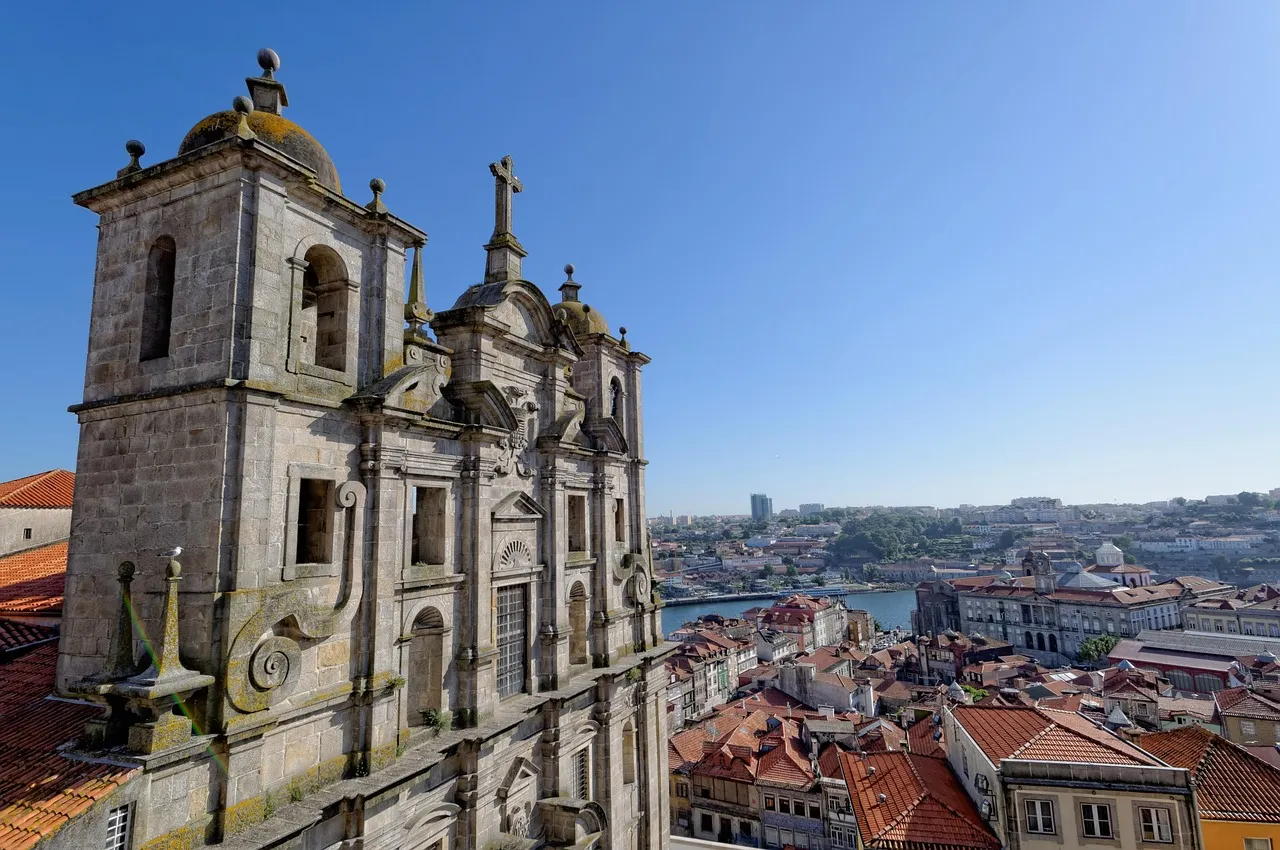
The short answer
- Day 1old town and tiled churches
- Day 2the bridge and port cellars
- Day 3Douro Valley or Foz
- Airport to centreabout 30 mins by metro
Porto is small but very hilly, so the distances are short and the climbs are steep. Wear comfortable shoes, and use the metro, trams and funicular to save your legs. It's on UK time, so there's no jet lag at all.
Three days at a glance
| Day | Morning | Afternoon | Evening |
|---|---|---|---|
| 1 | São Bento station, the cathedral | Clérigos Tower, Livraria Lello | Dinner in Ribeira |
| 2 | Six bridges boat trip | Port cellars in Gaia | Sunset from the bridge |
| 3 | Train to the Douro Valley | Wine tasting, river views | Back in Porto |
If you'd rather stay in the city on day 3, swap the Douro for tram 1 to the beach at Foz and the gardens of Serralves.
Day 1: the old town
Start at São Bento station, where the entrance hall is covered in about 20,000 blue and white tiles telling stories from Portugal's history. Then walk up to the Sé, the fortress-like cathedral, for views over the rooftops to the river.
In the afternoon, climb the Clérigos Tower, the baroque bell tower that rises over the city, then queue for Livraria Lello, the ornate bookshop with a famous red staircase. Entry is by timed ticket, and the price can be taken off a book if you buy one. Finish by walking down the steep lanes to Ribeira, the riverside quarter of tall, colourful houses, for dinner by the water.
Day 2: the river and the port cellars
Take a six bridges boat trip from Ribeira in the morning. In under an hour, it shows you the city from the water, passing under all of Porto's bridges.
Then cross the Dom Luís I Bridge to Vila Nova de Gaia, on the south bank. This is where the port wine houses age their wine, in long cellars by the river. Most offer tours with a tasting, and it's worth booking one or two. The Gaia cable car runs along the riverside if you want a view without the climb.
Day 3: the Douro Valley or Foz
The Douro Valley, where the grapes for port are grown, is one of the most beautiful wine regions in Europe, with terraced vineyards on steep slopes above the river. You can get there by:
- Train, from São Bento to Pinhão, a scenic ride of about two and a half hours each way that follows the river for much of the route.
- A guided tour, which usually includes a couple of wine estates, lunch and a short boat trip.
- A river cruise, which takes a full day each way or more.
If you'd rather stay closer, take the old tram 1 along the river to Foz, where the Douro meets the Atlantic, for a beach walk and seafood. The Serralves museum and gardens are nearby.
Getting there and around
- Flights: about 2 hours from London, with direct flights from many UK airports.
- From the airport: metro line E (violet) runs to the centre in about 30 minutes. You'll need a rechargeable Andante card.
- Getting around: walk, and use the metro, trams and the Guindais funicular for the hills.
- Food: try a francesinha, Porto's huge sandwich of meats under melted cheese and a beer sauce, and pastéis de nata from any café.
Porto is on the same time as the UK all year.
When to go
- April to June and September: warm, sunny and the best time for walking.
- July and August: busy but pleasant, rarely as hot as southern Europe.
- 23 June: the São João festival, with fireworks and street parties all night.
- November to February: mild but wet, and the cheapest time to go.
Our Porto guide has the month-by-month weather.
Is Porto the right city break?
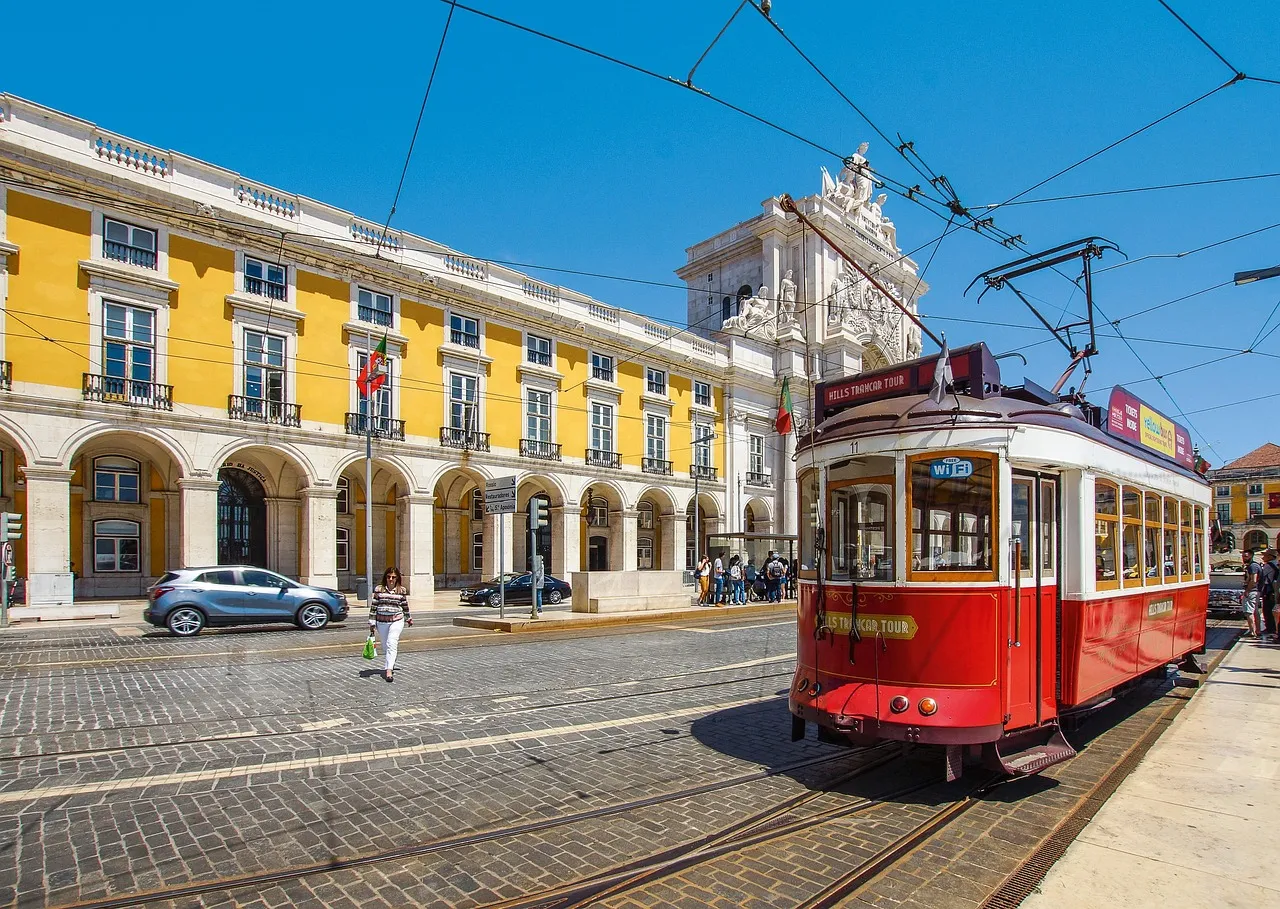
Porto is one of the best-value city breaks in western Europe, with great food and wine and a small, walkable centre. If you're choosing between Portugal's two big cities, our post on Lisbon or Porto compares them, and we have a Lisbon in 3 days plan too.
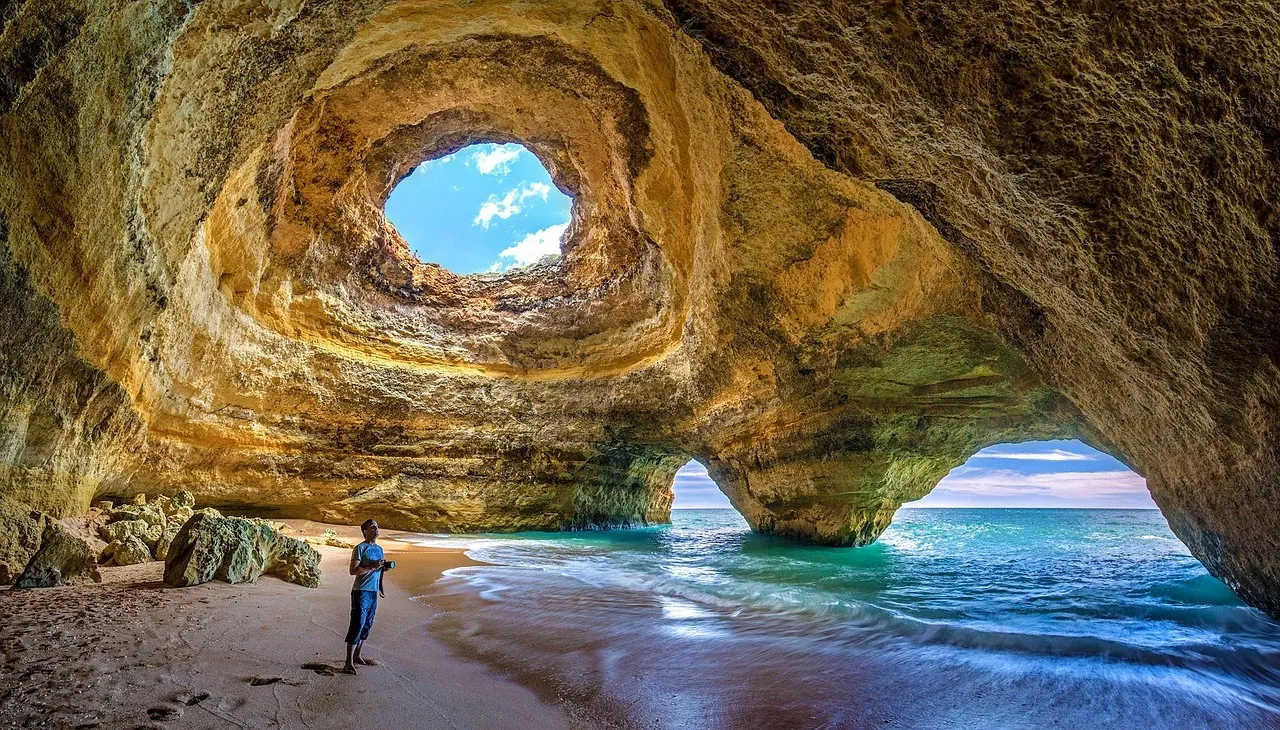
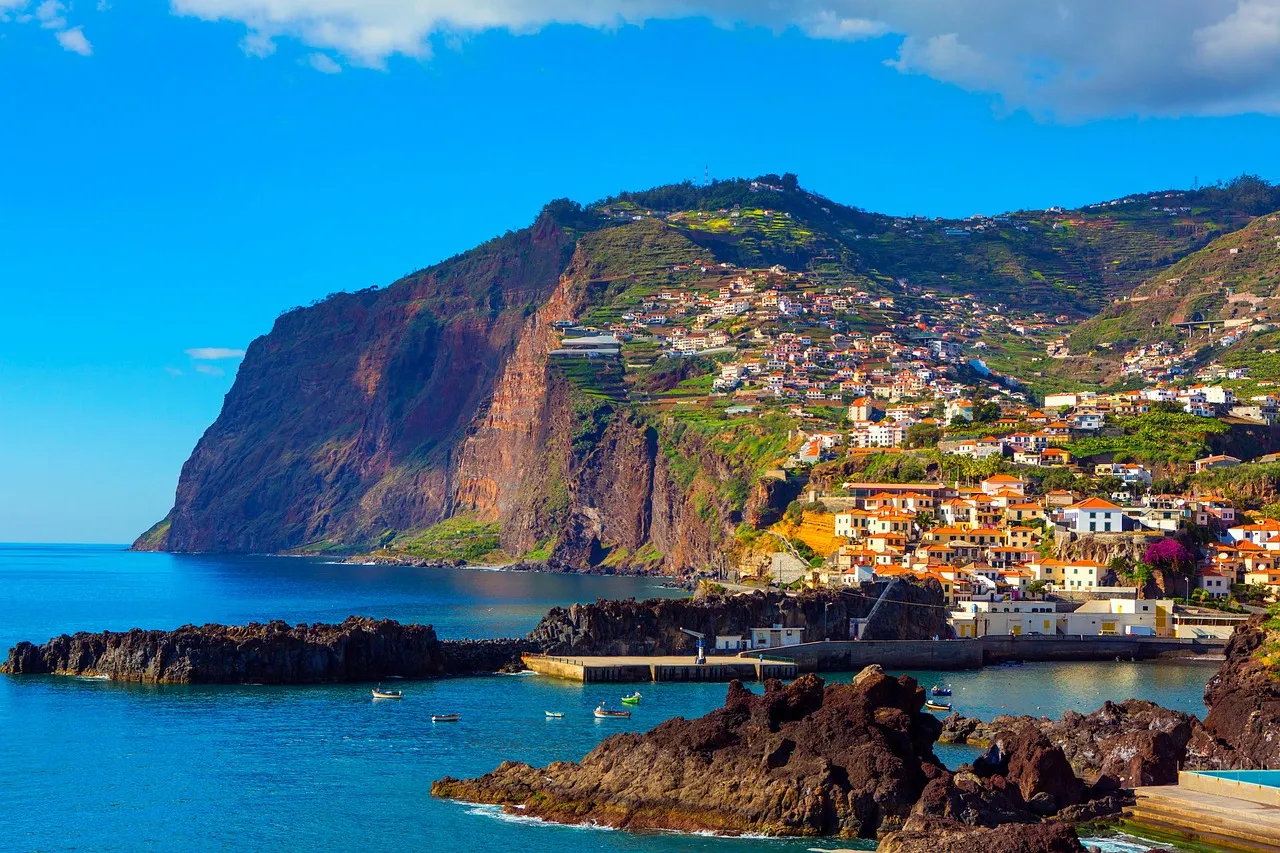
For longer, add the Algarve or Madeira, or browse the holidays in Portugal page. If you can't decide, add a few cities to somewhere.party and let the draw choose.